
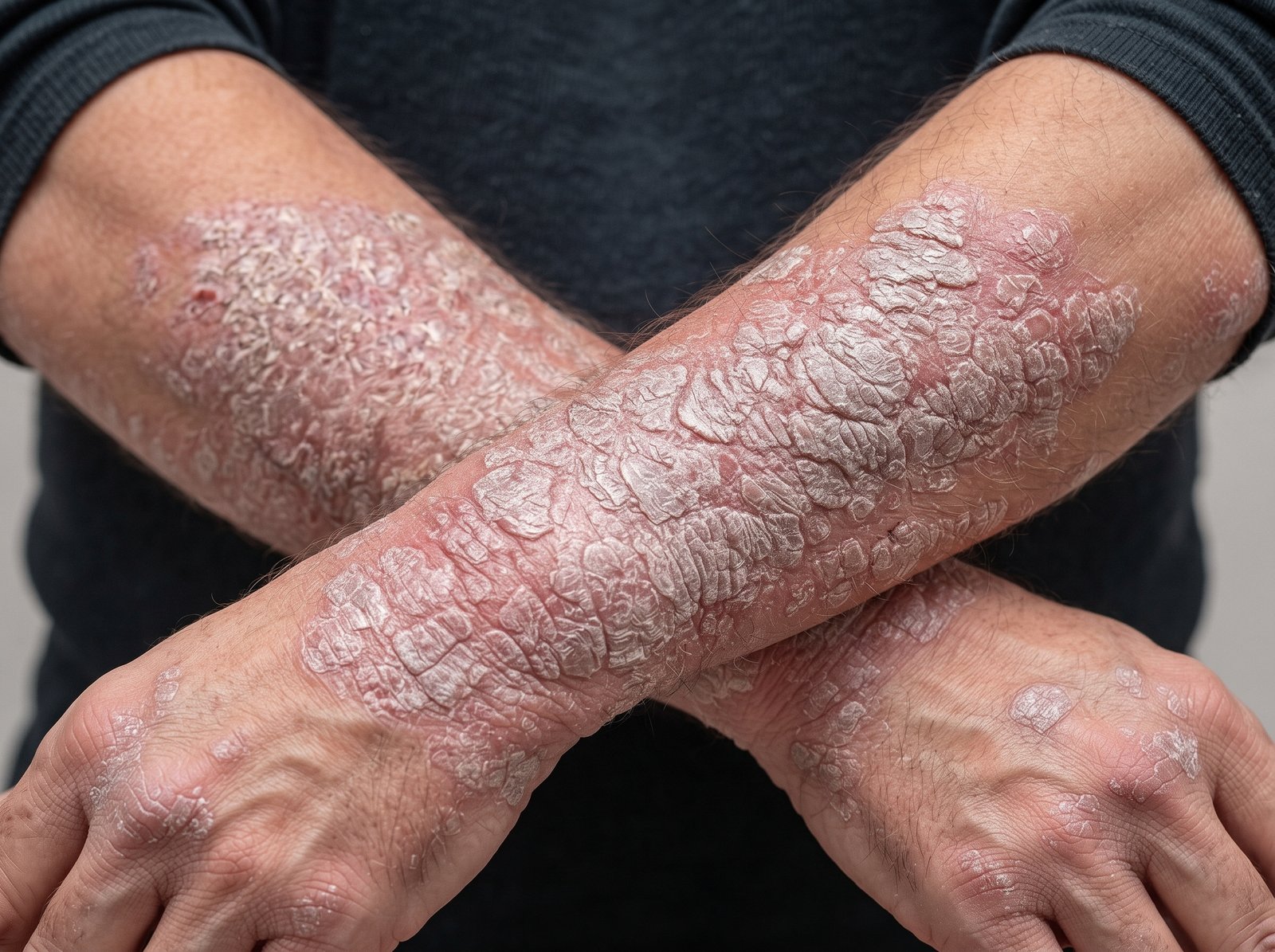
What are the best supplements to take for psoriasis, and can you cure psoriasis naturally? No, you can’t “cure” psoriasis naturally because it’s a chronic autoimmune condition. But in our testing, supplements for psoriasis like MSM sulfur, cream of tartar, bioavailable curcumin, zinc, and selenium help support the body’s response to the hyperactive immune pathways that speed up skin cell growth. They don’t replace prescriptions for severe cases, but they address the cellular problem topicals can’t reach.
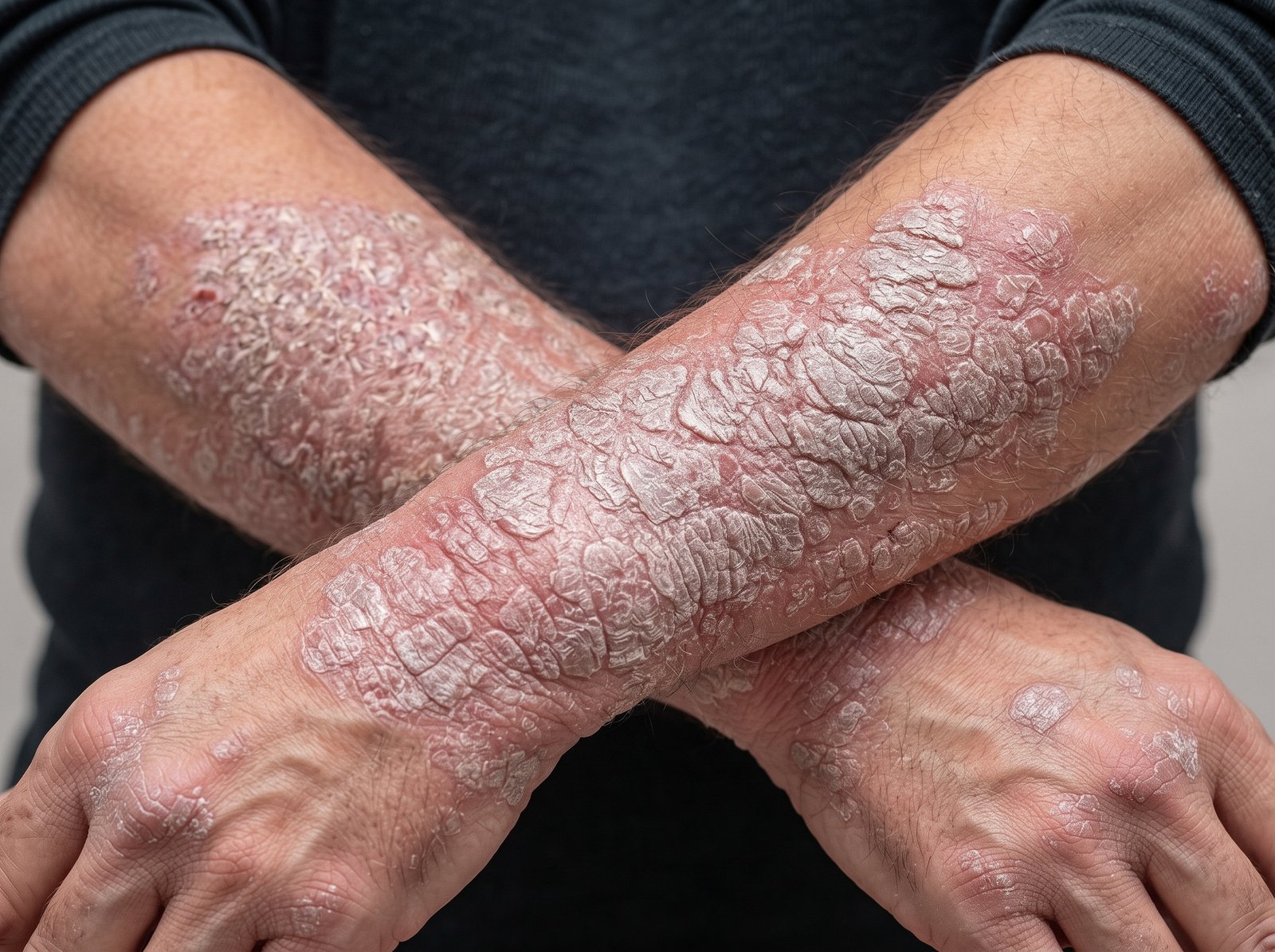
How Do You Get Psoriasis, and Why Do Topical Creams Fall Short?
In healthy skin, cells mature deep down and reach the surface in 28–30 days. With psoriasis, cytokines like TNF-alpha and IL-17 push that cycle down to 3–4 days. The result? Cells pile up faster than your body can shed them. That creates the thick, silver-scaled plaques of plaque psoriasis, the most common of the types of psoriasis.
The core issue isn’t dry skin. It’s a cell pile-up. Topical creams treat the surface, not the cytokine storm causing it. We’ve seen clients overuse steroid creams and end up with thinner skin and rebound flares when they stop. That’s why we start by supporting the system first.
Is Psoriasis Contagious, and What Triggers It?
No, it’s not contagious. Psoriasis is autoimmune and genetic.
Common triggers we track with clients include:
- Strep throat or other infections
- Skin injury or sunburn
- High stress
- Alcohol and smoking
- Obesity
- Certain meds, like beta-blockers and lithium
So, does psoriasis itch? Often, yes. The patches can itch, burn, crack, or hurt. But many people feel no symptoms beyond the visible plaques.
What Are The Best Supplements To Take For Psoriasis?
When we build an internal support plan, we prioritize ingredients with real-world use and research behind them. These dietary supplements for psoriasis target systemic balance directly:
- MSM Sulfur: MSM is an organic sulfur compound found in plants and the human body. Sulfur is a key building block for keratin and collagen, proteins your skin needs for structure and barrier function. It’s commonly used to support connective tissue and overall skin comfort.
- Cream of tartar: This is potassium bitartrate, a natural compound. Potassium is an essential electrolyte that supports cellular fluid balance and normal muscle and nerve function. Maintaining mineral balance is part of whole-body wellness.
- Turmeric (Curcumin): This blocks specific inflammatory pathways that cause redness and swelling. You need piperine or a lipid carrier for it to absorb.
- Zinc & Selenium: These trace minerals help repair the skin barrier and support your cells’ defense systems.
Verified study on systemic factors: A 2023 review in Nutrients noted that nutritional status impacts psoriasis severity, and addressing deficiencies may support overall management.
When people ask us about supplements good for psoriasis, this is the stack we usually recommend first. It’s where we see the most consistent feedback on skin comfort and flare frequency.
How Do You Support Psoriasis Naturally Using the Gut-Skin Connection?
There’s growing evidence for a “gut-skin axis.” If your gut lining is irritated or your microbiome is off, it can impact systemic immune signaling. Most blogs list “probiotics” and stop there. In our observation, mineral balance and sulfur intake also play a role. The body uses sulfur for detox pathways and glutathione production, which is key for cellular balance.
What’s the 2-phase daily support sequence we use with clients?
This is the step-by-step approach we follow:
- Phase 1 – Start with MSM Sulfur: Sulfur supports keratin, collagen, and connective tissue. It’s a core structural mineral for skin.
- Phase 2 – Add Cream of Tartar for Mineral Balance: Potassium helps maintain cellular fluid balance and electrolyte status, which matters for overall cellular function.
This approach to supplements for psoriasis skin focuses on structural and mineral support, not just surface care. For more on how internal balance impacts the whole body, read our post on 16 Ways Tarsul Supports Whole-Body Wellness.
Traditional Corticosteroids vs. Holistic Nutritional Support — Which Is Safer Long-Term?
Topicals have a place. But they’re reactive. Here’s how the two compare when you look at long-term use:
| Operational Factor | Prescription Topical Corticosteroids | Holistic Internal Supplementation |
| Primary Target Zone | Localized skin surface; masks outward symptom | Systemic mineral balance, cellular structure, gut axis |
| Long-Term Side Effects | Risk of skin thinning, broken vessels, systemic absorption | Safe for ongoing use; supports structural, metabolic health |
| Rebound Phenomenon | High risk; abrupt stop can trigger worse flares | Low risk; provides sustained daily support |
| Systemic Approach | Reactive; applied after patch develops | Proactive; daily intake supports baseline skin comfort |
| Financial Commitment | Recurring prescriptions, medical visits | Cost-effective strategy, multi-health benefits |
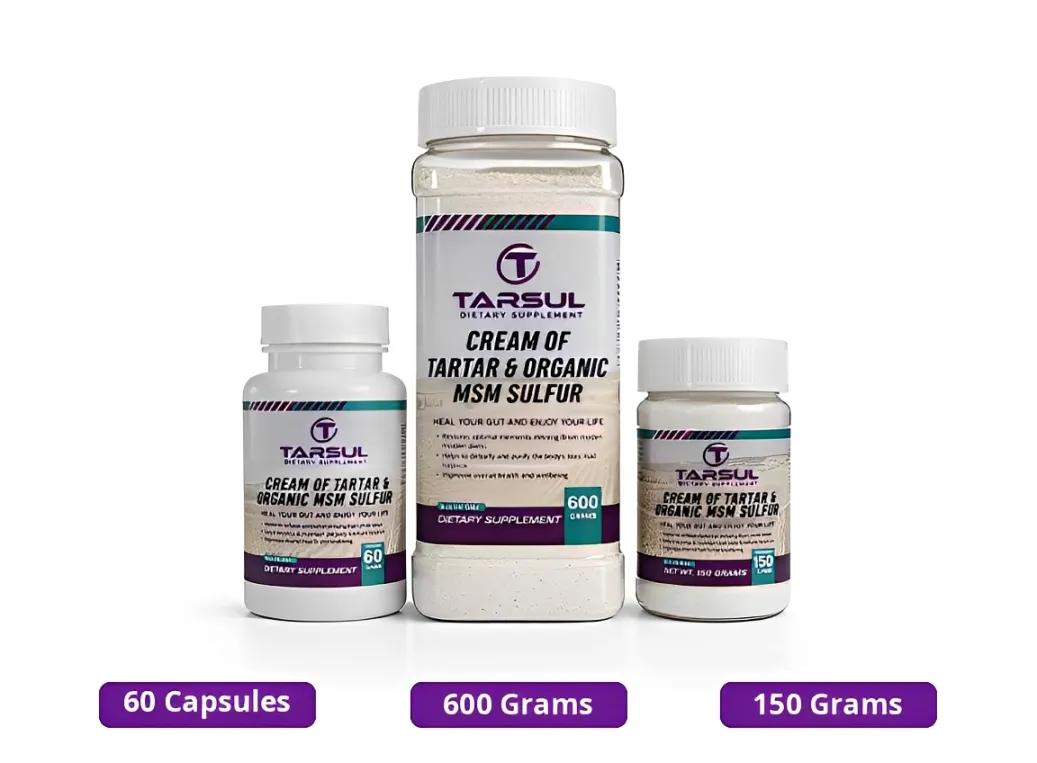
The Tarsul Direct Cellular Advantage: Many OTC skin pills are just low-dose multivitamins. They don’t address structural minerals or sulfur needs. We formulated Tarsul to combine MSM sulfur, cream of tartar, and natural anti-inflammatory compounds. The goal is to support gut-skin balance and mineral status from within, not just coat the problem.
How To Reduce Psoriasis On The Scalp Naturally And What To Use On Psoriasis Daily?
Here’s a simple day we recommend:
- Morning: Take MSM sulfur + cream of tartar with water. Use a gentle, fragrance-free cleanser.
- Midday: Take curcumin with black pepper extract and food.
- Evening: Probiotic + zinc/selenium to support overnight repair.
For scalp issues: Focus on mineral support + gentle care for 6–8 weeks to notice changes in itch and comfort. For acute patches, a dermatologist may suggest a 2% coal tar foam. But internal support helps maintain results. That’s the gap most psoriasis treatment plans miss.
What Should I Avoid To Prevent Flares?
Cut common triggers: alcohol, smoking, chronic stress, and skin trauma. Nightshades are not a universal trigger, so test your own response rather than eliminating them by default.
Final Thoughts
If you want to test the internal approach we use, start with Tarsul. We built it to cover the basics we discussed: immune, gut, and skin barrier support in one daily formula. No hype, just the nutrients we rely on. Learn more at tarsul.com/psoriasis.
FAQs
What are the best anti-inflammatory supplements for psoriasis?
The combo we test most: MSM sulfur, cream of tartar, bioavailable curcumin, zinc, selenium, and strain-specific probiotics. They support structural and immune balance.
How do you cure psoriasis naturally?
You can’t cure it. It’s autoimmune. Natural support helps manage it by supporting mineral balance, skin structure, and gut health to reduce flare frequency.
How to reduce psoriasis on the scalp naturally?
Internally: MSM sulfur + mineral support for keratin and cellular balance. Topically: avoid harsh shampoos. Talk to your derm about coal tar or medicated foams for plaques.
How do you get psoriasis?
You inherit a genetic tendency. Then an immune misfire causes T cells to attack skin cells, speeding up cell turnover.
What should I use on psoriasis?
Internally: the protocol above. Topically: dermatologist-guided steroids or vitamin D analogs for acute flares. For mild cases, thick moisturizers help.
Is psoriasis contagious?
No. You can’t catch it from someone. It’s not an infection.
What about psoriasis medication?
Prescription options include topicals, phototherapy, and biologics. They work, but many have side effects. That’s why we use internal support to promote stability long-term. Always work with your doctor before changing meds.
Medical Disclaimer
This article is intended for educational purposes only and should not be interpreted as medical advice, diagnosis, or treatment. Always consult a qualified healthcare professional regarding persistent symptoms or before beginning any new supplement regimen.
More on this topic: see the Psoriasis and Chronic Skin Condition Information hub for the full set of related articles.
Related reading on this topic
- Natural Supplement for Scalp Psoriasis
- Anti-Inflammatory Supplement for Psoriasis
- Natural Supplement for Psoriasis Flare-Ups and Triggers
- Supplement to Clear Psoriasis From the Inside
- What is actually in Tarsul, and how it is taken
About this page — last reviewed September 2026
Published by Tarsul, a family-run dietary supplement company operating from San Diego, California since 2010. Written and reviewed in-house by Russ Guillemot, founder, drawing on fifteen years of direct correspondence with customers and wholesale accounts. We are not physicians and nothing here is a diagnosis or a course of treatment.
Where we reference published research we name the authors and the journal so you can look it up yourself. Where something is a common observation rather than a finding, we say so plainly. If a claim cannot be sourced, we leave it out.
Tarsul · 2307 Fenton Parkway #107-42, San Diego, CA 92108 · 619-500-4403 · info@tarsul.com
These statements have not been evaluated by the Food and Drug Administration. This product is not intended to diagnose, treat, cure, or prevent any disease.