
Digestion • Intestinal health • Evidence
Leaky Gut Symptoms: What They Really Mean and What Helps
Bloating, gas, and an unsettled stomach are real and frustrating. Here is a clear look at leaky gut symptoms, what the science does and does not support, and the steps that help you feel better.
See Tarsul Capsules and Powder →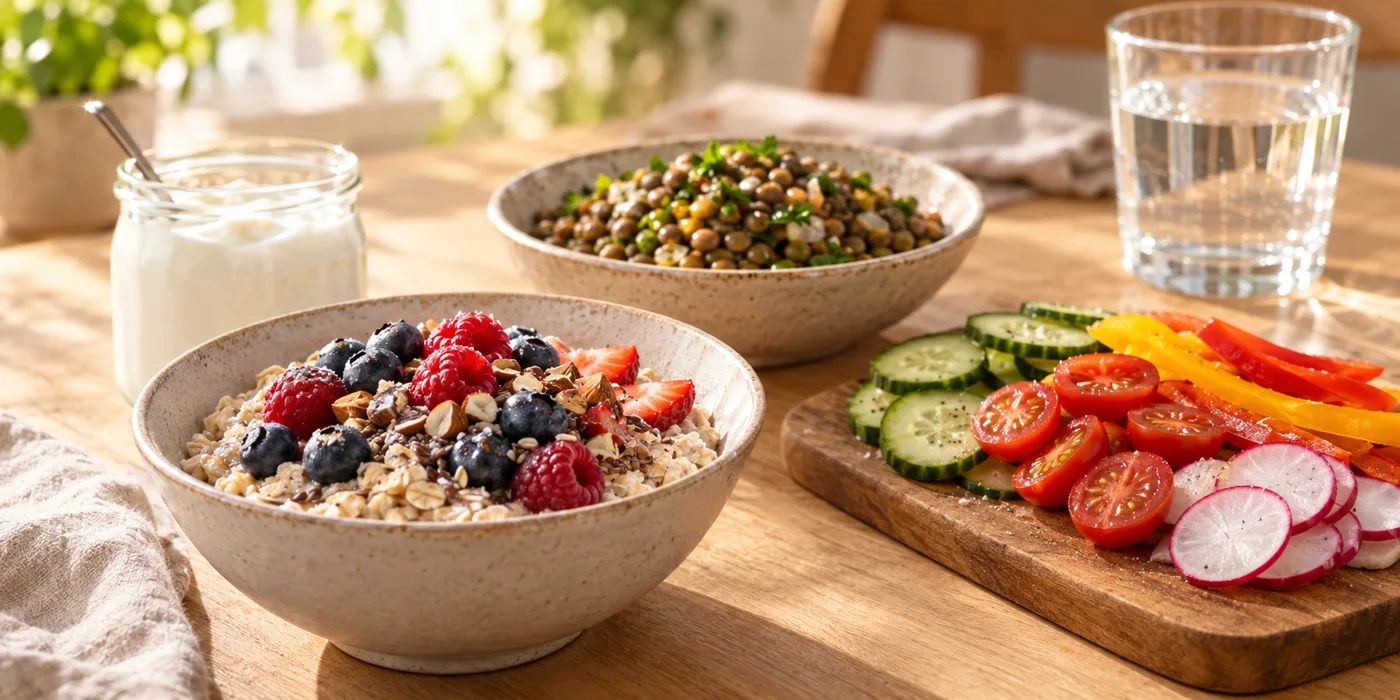
Key points
- Leaky gut syndrome is not a recognized medical diagnosis, though increased intestinal permeability is real in some diseases.
- The common complaints, such as bloating, gas, and belly pain, have many possible causes.
- Celiac disease, inflammatory bowel conditions, and other bowel problems are worth ruling out with a doctor.
- Fiber-rich foods, less alcohol, and fewer anti-inflammatory pain relievers support digestive health.
- Supplement evidence is limited. Glutamine has the most promising single trial.
This page is general information, written by our founder. It is not medical advice.
What People Mean by Intestinal Permeability
Your intestines are lined with a thin protective barrier. It lets water and nutrients into your bloodstream and keeps bacteria and other unwanted things out. Everyone’s gut is a little permeable. Increased intestinal permeability, sometimes called intestinal hyperpermeability, means the barrier lets through more than it should (ClevelandClinic.org).
The gut barrier is more than a simple wall. It includes a layer of mucus, a single layer of cells held together by tight junctions, and immune cells underneath, and it works closely with the trillions of bacteria that live in your gut (Camilleri, 2019). Because so many parts are involved, small, short-term changes in the gut are normal.
The term leaky gut syndrome comes from the idea that this leaking causes symptoms and other diseases. ClevelandClinic.org describes leaky gut syndrome as a hypothetical condition that is not currently recognized as a medical diagnosis. Increased permeability is a known feature of celiac disease and inflammatory bowel disease, but scientists generally see it as a result of those diseases, not their cause (ClevelandClinic.org).
The idea is popular because it seems to explain so much. A 2024 review in Gastroenterology & Hepatology found that leaky gut is widely promoted online and by some practitioners, often alongside tests and products that have not been validated (Lacy et al., 2024). That does not mean your discomfort is imagined. It means the label may not be the most useful place to start.
Common Symptoms People Report
There are no symptoms tied directly to increased permeability itself. The complaints people link to a leaky gut usually come from irritation or inflammation in the intestines, and they have many possible explanations (ClevelandClinic.org). They include:
- Bloating and gas
- Stomach pain or stomach cramps
- Indigestion, an upset stomach, or a burning feeling
- Diarrhea or constipation
- Food sensitivities
- Fatigue and low energy
Online lists of these complaints often go further, adding brain fog, skin problems, joint pain, and mood changes. Research has not shown that increased permeability causes these, and they have many other common causes (Lacy et al., 2024). Fatigue, for example, is linked to poor sleep, anemia, thyroid problems, and depression far more often than to the gut.
If your symptoms come and go with certain foods, stress, or your menstrual cycle, write that down too. Patterns help a doctor tell one condition from another, and they often matter more than any single symptom. Stress and mental health affect the gut through the gut-brain connection, so a hard week can show up as a hard week for your stomach.

Digestive Symptoms and Their Other Causes
Ongoing gastrointestinal symptoms deserve real answers. The trouble with calling them leaky gut is that it can delay finding the actual cause. Abdominal pain, bloating, and changes in bowel habits are shared by many conditions of the digestive system, and several of them have clear tests and effective treatments.
Conditions to Rule Out, Including Irritable Bowel Syndrome
- IBS: one of the most common causes of belly pain with diarrhea, constipation, or both. See our guide to bowel comfort.
- Celiac disease: an autoimmune reaction to gluten that damages the small intestine. It is diagnosed with blood tests and a biopsy, and treated with a strict gluten-free diet.
- Inflammatory bowel disease: Crohn’s disease and ulcerative colitis, which cause ongoing inflammation of the digestive tract.
- Food intolerances: such as lactose intolerance, which causes gas and diarrhea after dairy.
- Infections: a gut infection can leave bowel problems for weeks or months afterward.
Increased intestinal permeability is a known feature of celiac and inflammatory bowel disease, and researchers are studying its role in other diseases, including type 1 diabetes and other autoimmune conditions, and liver disease. So far, these are associations, and restoring the barrier has not been proven to improve them (Camilleri, 2019). Ruling these out first is the approach gastroenterologists recommend for anyone with ongoing digestive complaints (Lacy et al., 2024).
What Increases Permeability
ClevelandClinic.org lists these known causes of increased permeability (ClevelandClinic.org):
- Long-term inflammatory conditions, such as inflammatory bowel disease and celiac disease
- Other diseases that injure the intestines
- Chemotherapy and radiation treatment
- Heavy, long-term use of alcohol or anti-inflammatory pain relievers such as aspirin and ibuprofen
- Food allergies
A 2019 review in the journal Gut added that intense endurance exercise, pregnancy, and some food additives such as emulsifiers can also raise intestinal permeability. Some of these changes are short-lived and fade once the stress passes (Camilleri, 2019).
Supporting a Sensitive Gut Lining
The only known cure for a leaky gut is treating the condition that causes it. Treatments for celiac and inflammatory bowel disease, and similar conditions have been shown to help the intestinal lining recover (ClevelandClinic.org). If you have a sensitive gut, these everyday steps are sensible and low-risk for your digestive health:
- Eat plenty of plant fiber from vegetables, fruit, beans, and whole grains. Fiber feeds helpful bacteria in the gut.
- Cut back on added sugars and heavy, high-fat meals.
- Limit alcohol, which can irritate the gut.
- Use anti-inflammatory pain relievers only as needed, and talk with your doctor if you take them daily.
- Keep a two-week food and symptom journal to spot triggers.
- Ask about a short, guided low-FODMAP diet if your doctor finds a bowel condition, which removes common trigger foods and then adds them back one at a time.
Small, steady changes are usually easier on your digestive health than big overhauls, and they are easier to keep up. Good sleep, regular activity, and managing stress also matter for overall health, and they are good for the digestive system too.
Supporters of leaky gut syndrome theory often recommend strict elimination diets. There is no evidence that a special leaky gut syndrome diet works better than a balanced, fiber-rich diet, and cutting out many foods at once can leave you short on nutrients. Many products marketed for gut health are expensive and untested, so ask your doctor before you buy.
Supplements: What the Evidence Shows
Glutamine
Glutamine is an amino acid that the cells lining the intestines use for fuel. In a 2019 trial of 106 adults with diarrhea-type bowel trouble that started after a gut infection, 5 grams three times a day for 8 weeks improved symptoms in about 80 percent of people, compared with about 6 percent on placebo, and brought permeability back to normal (Zhou et al., 2019). That is promising, but it was one group of patients. A 2024 review concluded that more data are needed before any supplement, including glutamine, can be recommended for leaky gut (Lacy et al., 2024).
Probiotics and Prebiotics
Specific probiotic strains are being studied for their ability to support the lining of the gut. Prebiotics are plant fibers that feed helpful bacteria (ClevelandClinic.org). Foods such as onions, garlic, bananas, oats, and beans are good sources.
Zinc and Vitamin D
ClevelandClinic.org notes that vitamin D and glutamine may help repair the gut lining (ClevelandClinic.org). A review of human studies found that zinc and glutamine could reverse barrier changes caused by stressors such as anti-inflammatory pain relievers or hard exercise (Camilleri, 2021). A balanced diet usually covers zinc. If you think you are low in vitamin D, a blood test can tell you before you add a supplement.
Testing: What You Can Learn
In research, scientists measure permeability with sugar drinks followed by urine tests, and with blood markers. These tests are not standardized for everyday health care, and results vary from day to day (Camilleri, 2019). Be cautious of home or online leaky gut tests sold directly to consumers.
What you can learn from a doctor’s visit is often more useful. Depending on your symptoms, a patient may be checked for celiac disease, infection, inflammation, or other digestive diseases, which helps point to a treatment that works. Each patient is different, so bring your food and symptom journal and your health history to the visit. Your doctor may refer you to a gastrointestinal specialist, called a gastroenterologist.
A Note from Russ, Our Founder
In 2008 I was looking for answers to a health problem of my own, and I found an old pairing of sulfur and cream of tartar. I started Tarsul in 2010 so other people could use that simple two-ingredient mix without guessing at amounts.
People sometimes ask whether Tarsul helps with leaky gut. I know how tiring it is to live with a stomach that never feels settled. I would rather point you to a good doctor and a plate full of fiber than sell you something for it. No study has tested Tarsul for intestinal permeability, and I will not claim it helps.
When to See a Doctor about Digestive Problems
See a doctor or other health care professional if your symptoms last more than a few weeks, keep coming back, or get in the way of your life. Get care promptly for blood in your stool or black stools, unexplained weight loss, ongoing vomiting, trouble swallowing, fever with belly pain, or diarrhea that wakes you at night. A gastroenterologist can help sort out the cause (ClevelandClinic.org).
About Tarsul’s ingredients. Because cream of tartar is high in potassium, please talk with your doctor before using Tarsul if you have kidney problems or take medicines that raise potassium, such as some blood pressure pills or potassium-sparing water pills (NIH Office of Dietary Supplements). Swallowing large amounts of cream of tartar has caused dangerously high potassium levels (Medical Journal of Australia, 2025). Details are on our cream of tartar page.
Frequently Asked Questions
What are the signs of a leaky gut?
There are no signs tied directly to increased intestinal permeability. People who think they have a leaky gut often report bloating, gas, belly pain, food sensitivities, and indigestion, but these have many possible causes, such as celiac disease or a food intolerance.
Is leaky gut syndrome a real diagnosis?
Not yet. Increased intestinal permeability is real and is seen in conditions such as celiac disease and inflammatory bowel disease, but leaky gut syndrome is not currently recognized as a medical diagnosis, and there is no standard test for it in everyday care.
How do you heal a leaky gut?
The only known way is to treat the underlying condition causing it, such as celiac or inflammatory bowel disease. For general digestive health, a balanced diet with plenty of plant fiber, less alcohol, and limited long-term use of anti-inflammatory pain relievers are sensible steps.
Do supplements help leaky gut syndrome?
The evidence is limited. Glutamine helped in one trial of people with diarrhea-type bowel trouble after an infection, but experts say more data are needed before any supplement can be recommended.
Can a stool or blood test diagnose leaky gut?
Not reliably. Urine sugar tests and blood markers are used in research, but there is no standard, validated test that doctors use to diagnose leaky gut in everyday practice.
Does Tarsul help leaky gut?
No study has tested Tarsul for intestinal permeability or digestive problems, so we do not claim it helps. Tarsul is a daily mineral product made mainly from cream of tartar, with a smaller amount of MSM.
Tarsul and Your Daily Routine
Tarsul is two ingredients, cream of tartar and MSM, with no proprietary blend, made in San Diego since 2010. Read about cream of tartar and MSM, see our constipation guide, or see Tarsul capsules and powder.
Have a Question? Ask Us
Search our guides, or send us a note. A real person at Tarsul reads every message.
Sources
ClevelandClinic.org. Leaky gut syndrome.
Camilleri M. Leaky gut: mechanisms, measurement and clinical implications in humans. Gut. 2019;68(8):1516-1526. PubMed.
Zhou Q, et al. Randomised placebo-controlled trial of dietary glutamine supplements for postinfectious irritable bowel syndrome. Gut. 2019;68(6):996-1002.
Lacy BE, Wise JL, Cangemi DJ. Leaky gut syndrome: myths and management. Gastroenterol Hepatol (N Y). 2024;20.
Camilleri M. Human intestinal barrier: effects of stressors, diet, prebiotics, and probiotics. Clin Transl Gastroenterol. 2021.
NIH Office of Dietary Supplements. Potassium fact sheet for health professionals.
Hyperkalaemic cardiac arrest due to cream of tartar ingestion. Med J Aust. 2025;222(11).
About this page — last reviewed October 2026
Written by Russ Guillemot, founder of Tarsul. Tarsul is a family-run dietary supplement company in San Diego, California, selling since 2010. We are not physicians, and nothing on this page is a diagnosis or a treatment plan. Where we cite research, we link to it so you can read it yourself.
Tarsul · 2307 Fenton Parkway #107-42, San Diego, CA 92108 · 619-500-4403 · info@tarsul.com
These statements have not been evaluated by the Food and Drug Administration. This product is not intended to diagnose, treat, cure, or prevent any disease.