
Potassium bitartrate • From the grape • In use since antiquity
Cream of Tartar Benefits: What It Is, What It Does, and How to Use It Safely
Most of us keep a small jar in the kitchen cupboard and use a pinch once or twice a year. Yet for most of history it was kept in the medicine cabinet. This guide explains what cream of tartar is, its real health benefits, what the research shows and does not show, and how much is a sensible amount.
See Tarsul Capsules and Powder →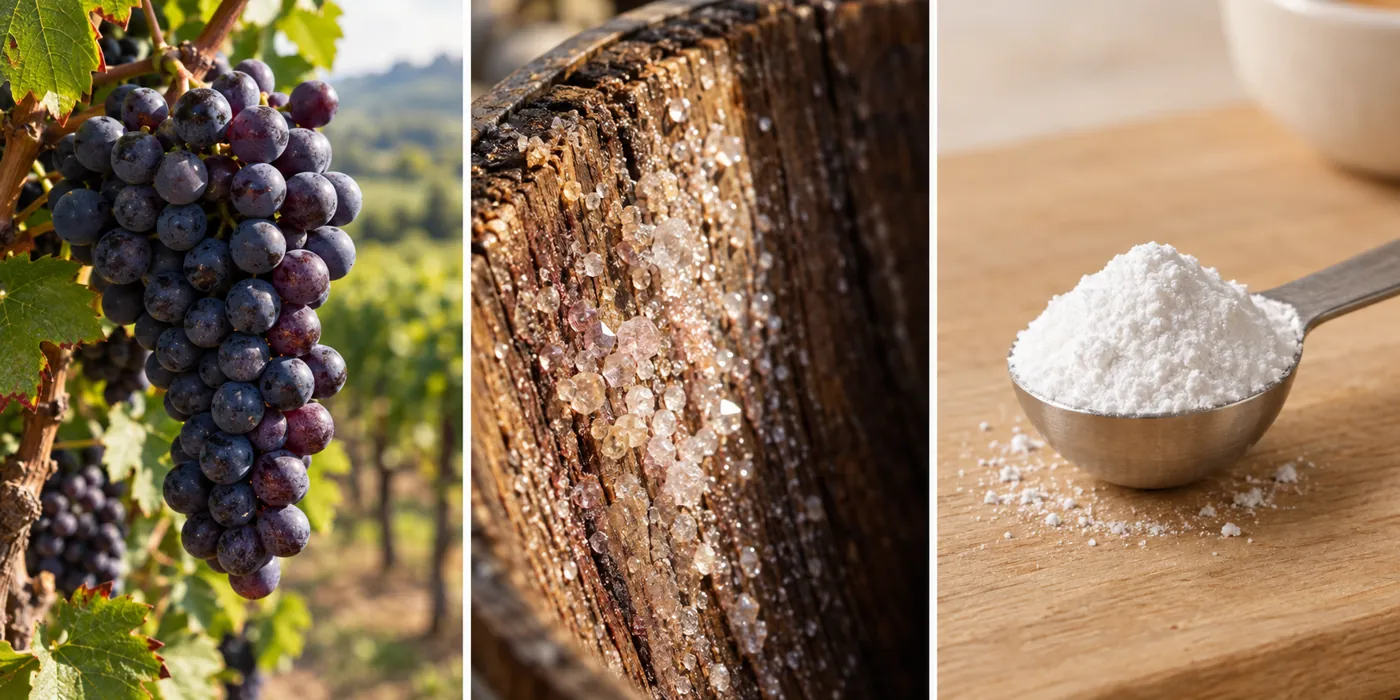
Key points
- Cream of tartar is potassium bitartrate, a natural byproduct of making wine. Its main value is potassium.
- A level teaspoon has about 495 mg of potassium, more than a medium banana.
- It has a long history as a gentle aid for regularity, with a little modern research behind it.
- Because it is concentrated, the amount matters, especially if you have kidney problems or take potassium-raising medicines.
- Many claims online, such as quitting smoking, have no published research behind them.
This page is general information, written by our founder. It has not been medically reviewed by a physician, so please confirm health decisions with your own doctor.
What Is Cream of Tartar?
Cream of tartar comes from grapes. As grape juice ferments into wine, potassium and tartaric acid from the fruit join together and crystallize on the inside of the barrel. Winemakers collect those crystals, and once purified and ground they become a fine white powder (University of Illinois Extension).
Its chemical name is potassium bitartrate, also called potassium hydrogen tartrate or potassium acid tartrate. The FDA lists potassium acid tartrate as a food ingredient that is Generally Recognized as Safe, obtained as a byproduct of winemaking (21 CFR 184.1077, potassium acid tartrate). It is naturally gluten-free. So it is a food first. By its chemistry it is also a potassium salt, and that is where its value begins.
Potassium and Other Health Benefits
Potassium is an essential mineral. Your body uses it in every cell. It supports normal nerve signals and muscle contraction, including the heart muscle, and it works with sodium to keep fluid balance normal (NIH potassium fact sheet). Your body does not store much of it, so you need a steady supply from your diet each day.
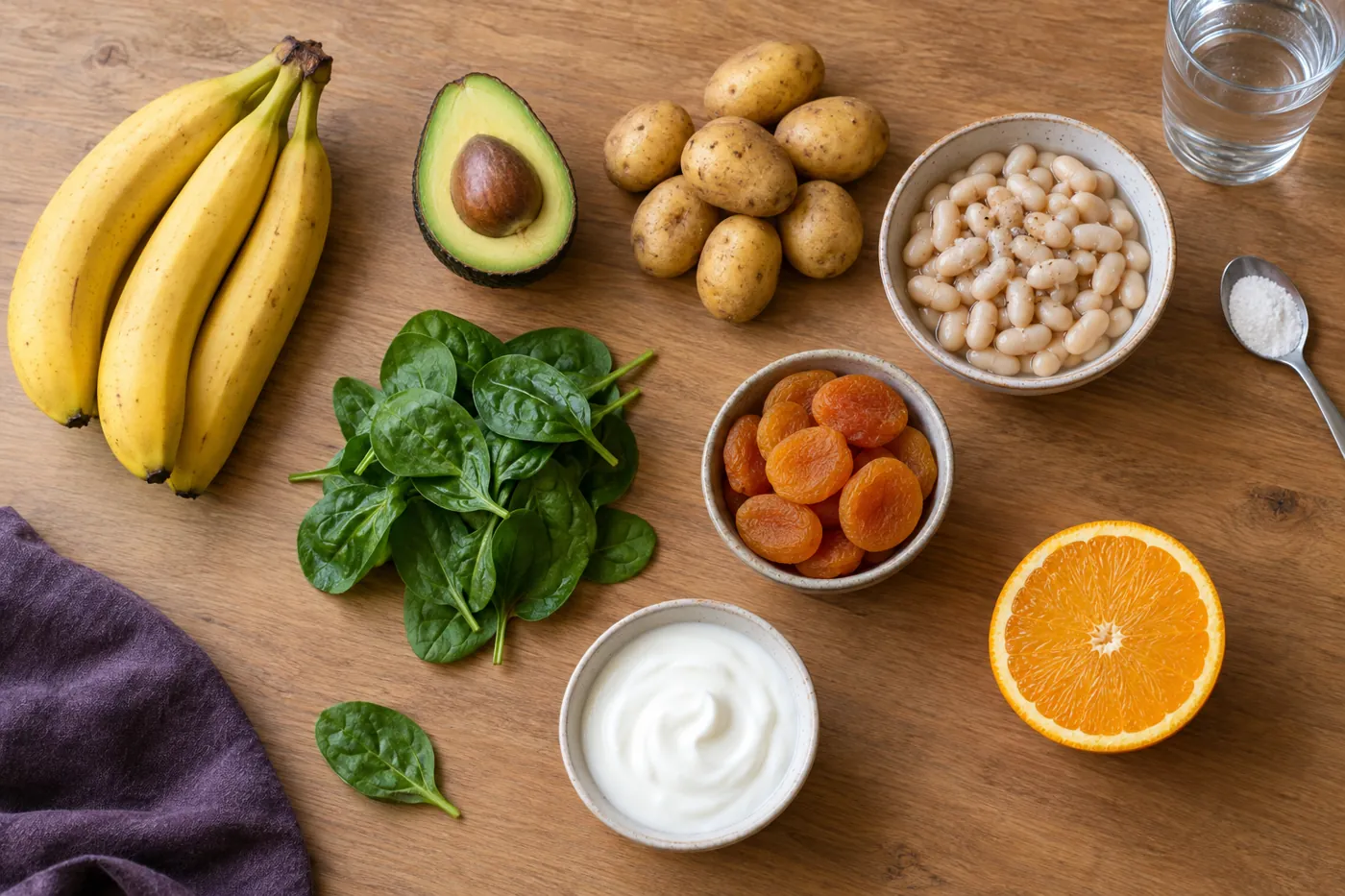
Many people fall short. The adequate intake is 3,400 mg a day for men and 2,600 mg for women, and U.S. dietary guidelines list potassium as a nutrient most Americans under-consume (Dietary Guidelines for Americans). Fruits, vegetables, beans, and dairy are the best foundation. Cream of tartar happens to be one of the most concentrated natural sources of potassium there is.
How Much Potassium Is in Cream of Tartar?
Most articles never answer this, so here it is plainly. The USDA nutrient database lists about 495 mg of potassium in a level 3 gram teaspoon (USDA nutrition information via URMC). Pure potassium bitartrate is close to 21 percent potassium by its formula (Journal of Medical Toxicology report), so the real number can be a little higher depending on purity and how tightly the spoon is packed.
| Amount | Approximate weight | Approximate potassium |
|---|---|---|
| 1/4 teaspoon | about 0.75 g | about 125–155 mg |
| 1/2 teaspoon | about 1.5 g | about 250–310 mg |
| 1 teaspoon | about 3 g | about 495–620 mg |
| 1 tablespoon | about 9 g | about 1,500–1,870 mg |
For comparison, a medium banana has about 420 mg (NIH list of potassium sources). A pinch in a recipe adds very little. A measured daily serving adds a real amount, which is helpful and is also why the safety section below matters.
Compared With Other Potassium Forms
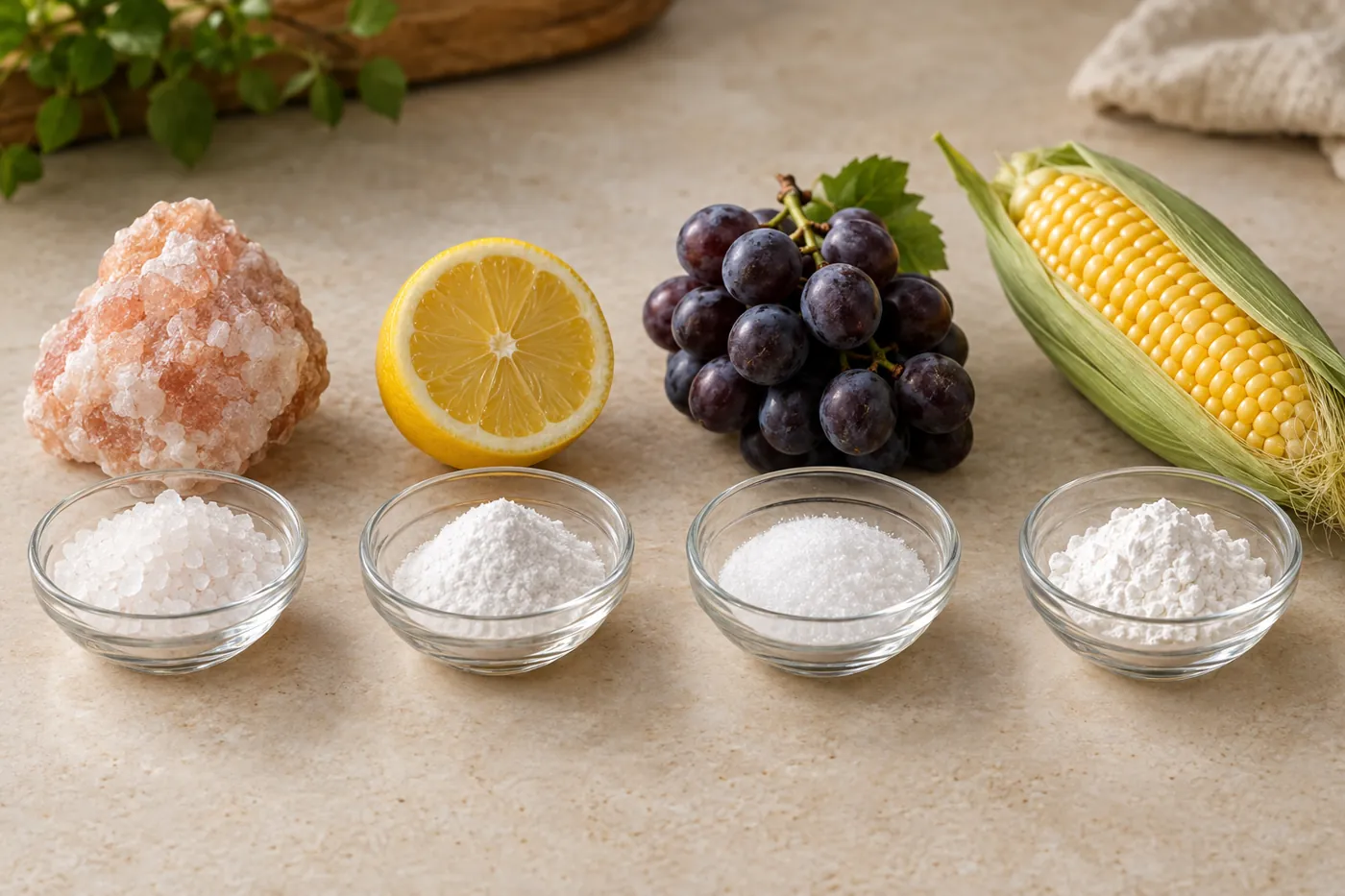
Potassium chloride, the main ingredient in most salt substitutes, is about half potassium by weight. Potassium citrate is about a third. Cream of tartar is about a fifth, and potassium gluconate is about a sixth. It has a mild tart taste rather than the salty, metallic taste of potassium chloride, and it is the only one of these that comes from the grape. For a side-by-side table, see our potassium supplement guide with cream of tartar compared.
Why Potassium in Your Diet May Matter More Today
Soil provides the potassium in what we eat, and crops remove it with every harvest. A 2024 analysis estimated that about 20 percent of agricultural soils worldwide have a potassium deficit, with the largest gaps in parts of Asia, Latin America, and Sub-Saharan Africa (Brownlie et al., 2024). The lead researcher has said U.S. harvests also remove more potassium than farmers put back (Newsweek on U.S. crop potassium).
Whether this has lowered the potassium in our produce is less clear. A British comparison found potassium down about 14 percent in 20 vegetables between 1930 and 1980 (Scientific American on vegetable nutrient loss), while a large U.S. study of 43 garden crops from 1950 to 1999 found declines in several nutrients but no reliable change in potassium, and linked most changes to newer high-yield varieties (Davis et al., 2004). The clearer problem is what we eat. Most people simply do not eat enough fruits, vegetables, and beans.
Digestion and Regularity
For centuries cream of tartar was used as a gentle digestive aid and mild laxative, and older medical writers also described it as a diuretic (history in the Journal of Medical Toxicology). Health research on it today is small but real.
In a 2003 study in the British Journal of Nutrition, 13 healthy adults took 5 grams a day for three weeks. Their stools were softer, and average transit time through the gut went from 42 hours to 31 hours, although that change did not quite meet the usual test of statistical significance (Spiller et al., 2003 raisin and tartaric acid study). Raisins, which contain the same tartaric acid plus fiber, worked a little better. A fair summary is that it may support regularity for some people, and that fiber, water, and movement are still the foundation.
More is not better. Every serious case report involves someone taking a very large amount at once to “clean out” the bowel. No amount will prompt your body to detox itself faster. Please do not use it that way. If bowel habits change and stay changed, see a doctor, because that deserves a proper check.
A Short History as a Medicine
People have collected tartar from wine barrels for thousands of years. Purified into a white powder, it was sold by apothecaries for generations. The medicine chest of the Lewis and Clark expedition included cream of tartar (Discover Lewis & Clark medicine list), and Clark later wrote about giving it to a seriously ill child (Journal of Medical Toxicology). Sulfur and cream of tartar lozenges were an official U.S. Pharmacopeia preparation (Encyclopædia Britannica, 1911), and boxed lozenges from that era are held by the Smithsonian collection.
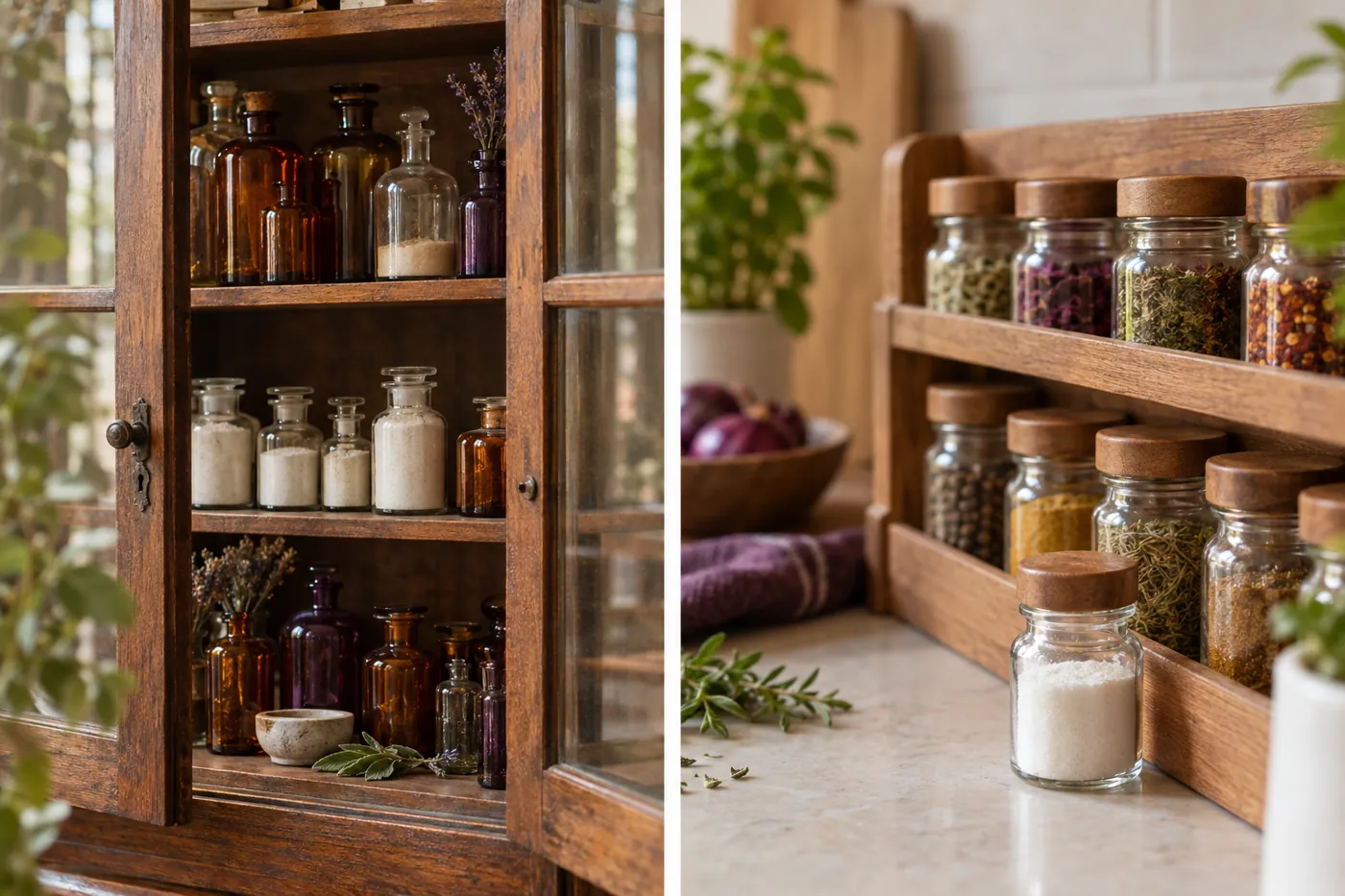
Over time newer drugs replaced it and it moved to the baking aisle. That is a good reason to understand it rather than romanticize it. Its history explains why people trusted it, and modern knowledge about potassium explains how to use it well. You can read more of that story on our cream of tartar history and potassium page.
Cream of Tartar Side Effects and Safety
In cooking amounts, there is nothing to worry about. In measured supplement servings, it is safe for most healthy adults. The possible side effects come from potassium, one of the few nutrients where the amount matters in both directions. Too much at once can also cause loose stools and stomach upset.
The published cases are clear. In 2013, doctors described two previously healthy young men who each drank about six tablespoons, roughly 84 grams, to clean themselves out. Both developed dangerously high blood potassium and needed hospital treatment (Rusyniak et al., Journal of Medical Toxicology). In 2025, a 70-year-old woman with no kidney problems took 166 grams to relieve constipation and suffered a cardiac arrest before recovering (Medical Journal of Australia case report). These amounts are many times a normal serving, but they show why the label matters.
Who Should Check Potassium Levels First
- Anyone with reduced kidney function or health conditions affecting the kidneys. This is the most important one.
- Anyone taking an ACE inhibitor (such as lisinopril), an ARB (such as losartan), or a potassium-sparing diuretic (such as spironolactone).
- Anyone using salt substitutes or already taking a potassium supplement.
- Anyone taking NSAIDs regularly, or who is pregnant or nursing.
A basic metabolic panel shows your current potassium levels, and your doctor can order one.
Claims You May See Online
Search online and you will find long lists. Some are reasonable and some are not.
A source of potassium: true. This is its best-supported benefit.
Supports regularity: long traditional use and one small human study. Large amounts are dangerous.
Helps you quit smoking: no published studies. We do not make this claim.
Urinary, joint, skin, or headache remedies: no published studies in people. We do not make these claims.
“Detox” or cleansing: not supported. Your liver and kidneys do this work, and large “cleansing” doses have put people in hospital.
We would rather you trust us on the things that are true than be impressed by a long list.
Uses in Baking, Cleaning, and the Bath
Most people meet cream of tartar in a recipe, and its purpose there comes from its acidity. Because it is acidic, it lowers the pH of whatever it is mixed into, and that small change does a lot of work in baked goods.
Whipping Egg Whites With Caster Sugar
It stabilizes egg whites. The added acid helps egg white proteins keep their structure around tiny air bubbles, which adds volume and keeps meringue from collapsing. Beat the whites with about 1/8 teaspoon per egg white, then add caster sugar or granulated sugar a spoonful at a time. It also keeps sugar from crystallizing, which is why snickerdoodles stay chewy and candy syrups stay smooth.
Bread Flour, Quick Breads, and Homemade Baking Powder
Homemade baking powder: mix 2 parts cream of tartar with 1 part baking soda for quick breads, pancakes, and cakes. Yeast breads made with bread flour do not need it, because yeast does the rising.
Cleaning and the bath: mixed into a paste with a little water or vinegar, it is a gentle scrub for stainless steel and porcelain. Bath bomb and homemade soap recipes often use it too.
If a recipe calls for it and you have none, use 2 teaspoons of lemon juice for every teaspoon (Illinois Extension baking guide). For storage, keep the jar tightly closed in a cool, dry cupboard. In these kitchen amounts the potassium is small and none of the cautions above apply.
How Tarsul Uses Cream of Tartar
Tarsul is a potassium supplement made mainly from cream of tartar, with a smaller amount of MSM, a sulfur compound found naturally in many fruits and vegetables. There are two ingredients and no proprietary blend. We have made it in San Diego since 2010, in capsules and in powder, so you get a consistent measured serving instead of guessing with a kitchen spoon. The powder can be stirred into water if you prefer it in liquid form.
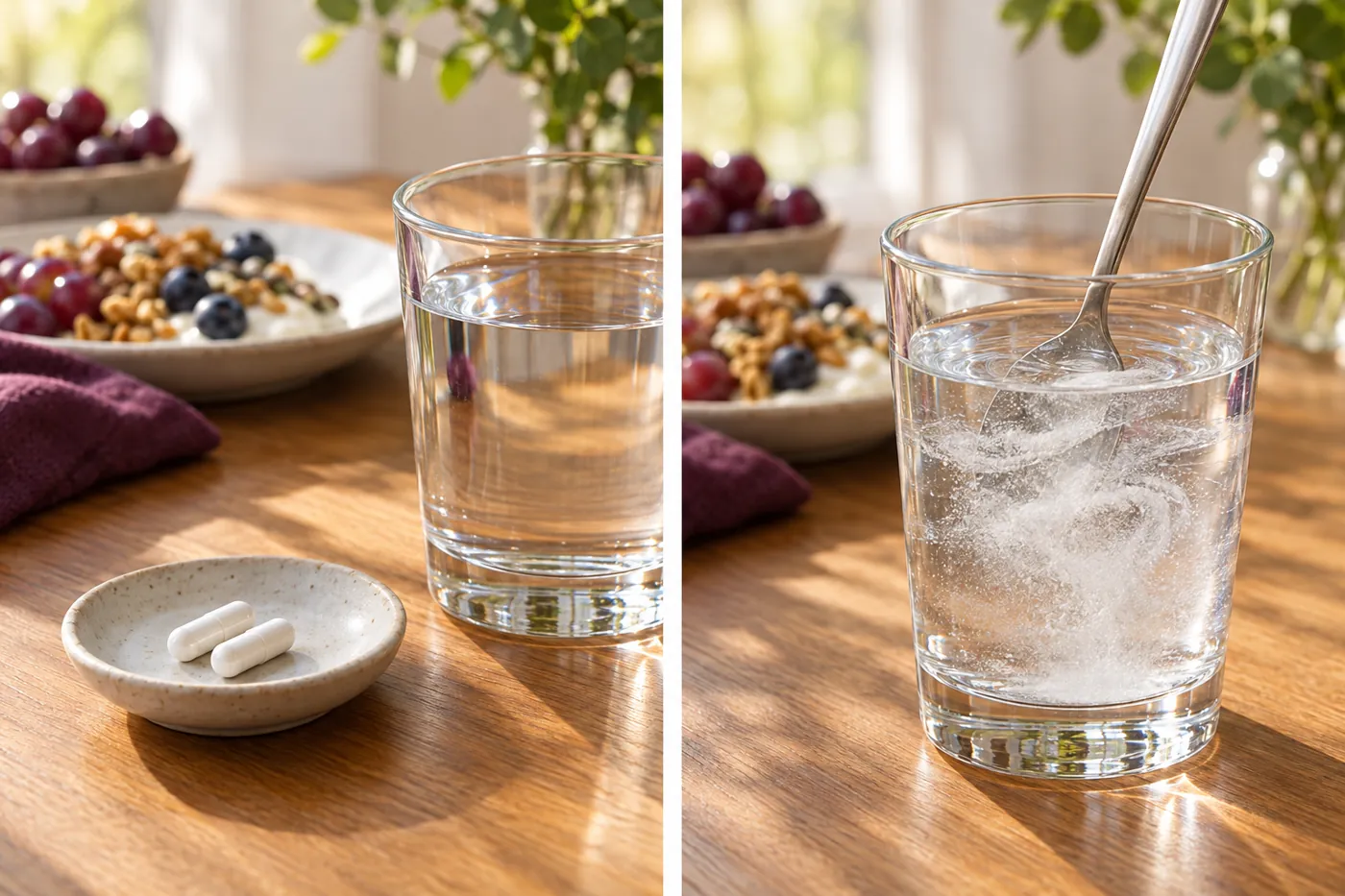
For serving size and warnings, see Tarsul cream of tartar dosage and ingredients. To learn about the second ingredient, see what MSM is and where it is found. When you are ready, see cream of tartar capsules and powder. Orders over $50 ship free, and every order has a 30-day money-back guarantee.
Have a Question? Ask Us
Search our wellness guides, or send us a note. A real person at Tarsul reads every message.
Frequently Asked Questions
Is cream of tartar good for electrolytes?
Potassium is one of the body’s main electrolytes, so cream of tartar is a concentrated source of one electrolyte. It contains no sodium, magnesium, or chloride, so it is not a complete electrolyte drink, and more is not better.
Is cream of tartar bad for you?
In cooking amounts, no. The FDA lists it as Generally Recognized as Safe. In supplement amounts it is a concentrated potassium source, which suits many people and not others, so read the side effects and safety section and follow the label.
Why is it called cream of tartar?
Tartar is the old name for the hard crystal crust that forms inside wine barrels. When that crust was dissolved in hot water and cooled, purified crystals collected at the top, and that skimmed layer is generally given as the origin of the word cream.
What does cream of tartar taste like?
It tastes mildly sour and slightly tart, a little like a faint lemon. In recipes the amount is so small that you rarely notice it.
Does cream of tartar need to be refrigerated?
No. Keep it in a tightly closed container in a cool, dry cupboard. Moisture is its only real enemy, and stored well it keeps for years.
What can I use instead of cream of tartar in cookies?
For snickerdoodles and similar cookies, replace the cream of tartar and baking soda with baking powder, about 2 teaspoons of baking powder for each teaspoon of cream of tartar called for. For whipping egg whites, use 2 teaspoons of lemon juice or white vinegar per teaspoon.
Is the cream of tartar in Tarsul the same as in my kitchen?
It is the same compound. Tarsul is made mainly from cream of tartar, with a smaller amount of MSM, measured into consistent capsules and powder servings.
Sources
NIH Office of Dietary Supplements. Potassium: Fact Sheet for Health Professionals.
U.S. Departments of Agriculture and Health and Human Services. Dietary Guidelines for Americans, 2020–2025.
Code of Federal Regulations. 21 CFR 184.1077, Potassium acid tartrate.
USDA FoodData Central, Leavening agents, cream of tartar, as presented by University of Rochester Medical Center nutrition facts.
Rusyniak DE, et al. Life-Threatening Hyperkalemia from Cream of Tartar Ingestion. Journal of Medical Toxicology. 2013;9(1):79–81.
Ng DYL, Govindasamy L, Hughes A, Lee HM. Hyperkalaemic cardiac arrest due to cream of tartar ingestion. Medical Journal of Australia. 2025;222(11).
Spiller GA, et al. Tartaric acid and dietary fibre from sun-dried raisins and colonic function. British Journal of Nutrition. 2003;90:803–807.
Brownlie WJ, et al. Global potassium neglect, 2024 analysis. Nature Food. 2024;5:111–115.
Davis DR, Epp MD, Riordan HD. Nutrient changes in 43 garden crops, 1950 to 1999. Journal of the American College of Nutrition. 2004.
Scientific American. Dirt Poor: Have Fruits and Vegetables Become Less Nutritious?
University of Illinois Extension. Cream of tartar: From winery byproduct to baking essential.
Discover Lewis & Clark. The Chemical Drugs.
About this page — last reviewed October 2026
Written by Russ Guillemot, founder of Tarsul. Tarsul is a family-run dietary supplement company in San Diego, California, selling since 2010. We are not physicians, and nothing on this page is a diagnosis or a treatment plan. Where we cite research, we link to it so you can read it yourself.
Tarsul · 2307 Fenton Parkway #107-42, San Diego, CA 92108 · 619-500-4403 · info@tarsul.com
These statements have not been evaluated by the Food and Drug Administration. This product is not intended to diagnose, treat, cure, or prevent any disease.