
Skin • Acne • Evidence
Skin Clearing Supplements: What Helps Acne and What Is Just Hype
Breakouts can wear down your confidence, and the supplement aisle promises a lot. Here is an honest look at which supplements have real studies behind them, and what dermatologists rely on first for your skin.
See Tarsul Capsules and Powder →
Key points
- The 2024 AAD acne guideline found the evidence too limited to recommend any food plan, vitamin, or plant-based product.
- Zinc has the most studies, mainly for red, inflamed bumps on the skin.
- Vitamin B5, omega-3 fats, some probiotics, green tea extract, and vitamin D (if you are low) have smaller studies.
- Topical sulfur at 3 to 10 percent is an FDA-approved acne ingredient. Oral MSM and cream of tartar have no acne trials.
- Benzoyl peroxide and retinoids are the proven first steps for your skin.
This page is general information, written by our founder. It is not health advice for your own skin.
Start with What Dermatologists Trust for Clear Skin
Everyone wants a clear complexion fast. If you are looking for help from the inside, you are probably tired of breakouts and want something gentle that works. That is understandable. Acne affects how your skin looks and how you feel in your own skin, and it is worth getting right. It helps to know where pills and powders stand first.
In its 2024 acne guideline, the American Academy of Dermatology strongly recommended topical benzoyl peroxide, topical retinoids such as adapalene, antibiotics when needed, and combinations of these. It also said the available evidence was insufficient to make recommendations about changes in eating or alternative therapies such as vitamins or plant-based products (AAD.org). Adapalene and benzoyl peroxide are sold over the counter, so a strong skin routine does not have to start with a prescription.
Acne often shows up on the face, chest, and back. It has two main types of spots. Inflamed acne means red, tender bumps and pus-filled spots. Non-inflamed acne means blackheads and whiteheads. Most supplement studies measured inflamed spots, so that is where any benefit for the skin tends to show up.
Skin Supplements with Some Evidence
A 2023 systematic review in JAMA Dermatology looked at oral products for acne. It concluded that they may have a role, but most studies were small and larger trials are needed. Keep in mind that supplements are not reviewed like medicines before they are sold, so an acne supplement or skin supplement can vary a lot from one brand to the next. Most were well tolerated, with few side effects (Shields et al., 2023).
Zinc: The Most Studied Acne Supplement
A 2020 meta-analysis found that people with acne had lower blood levels of zinc than people without it, and that taking it reduced inflamed bumps, whether used alone or alongside other acne care (Yee et al., 2020). The JAMA Dermatology review was more cautious. About half of those studies did not show a benefit for the skin, and stomach upset was a common side effect (Shields et al., 2023).
For adults, the upper limit is 40 mg a day from all sources, and long-term high doses can lower copper levels (NIH Office of Dietary Supplements).
B Vitamins and B5
In one study, 2.2 grams a day of vitamin B5, also called pantothenic acid, for 12 weeks reduced facial acne spots more than placebo, with no side effects linked to it (Shields et al., 2023). Other B vitamins have not been studied as well for acne.
Omega-3 Fats
Omega-3 fats, found in fish oil, help calm inflammation in the body. One study found fewer inflamed and non-inflamed acne spots after 10 weeks of omega-3 fats compared with no treatment. The same study saw similar results with borage oil, a source of gamma-linolenic acid (Shields et al., 2023).
Probiotics
Studies of specific strains, including Lactobacillus rhamnosus SP1 and Lactobacillus plantarum, showed more improvement in acne than placebo. Results depend on the strain, so one study does not apply to every probiotic product (Shields et al., 2023).
Green Tea Extract and Vitamin D
Green tea is rich in plant antioxidants. Decaffeinated green tea extract at 1,500 mg a day reduced inflamed acne spots on parts of the face after four weeks. In people who were low in vitamin D, 1,000 IU a day reduced inflamed spots more than placebo after eight weeks (Shields et al., 2023). A simple blood test can tell you whether you are low. Too much vitamin D can be harmful, so test before taking high amounts.
Hormonal Acne and Skin in Women
Many adult women get a breakout before each period, or acne that flares with their monthly cycle. Hormonal changes in the teen years can also play a role. This is often called hormonal acne. For this type, the AAD guideline gave conditional recommendations to hormonal therapies such as combined birth control pills or spironolactone, which a doctor prescribes (AAD.org).
Hormonal shifts are hard to change from the outside alone, and no supplement has been shown to work like these treatments. If your skin breaks out in a pattern with your cycle, a dermatologist or another health professional can help you sort out the options.
Collagen, Skin Vitamins, and Other Popular Picks
Collagen is popular for skin health and aging skin, but none of the better-quality acne studies in the 2023 review tested collagen (Shields et al., 2023). It is not an acne treatment.
Many products sold as skin vitamins or skin supplements mix several ingredients in one capsule, often with added antioxidants. Because each blend is different, check the label for the amount of each mineral, and add up every product you take so your total stays within safe limits. A simple, single-ingredient product makes it easier to see what is actually helping your skin.
Inflammation is part of every red acne bump, so it is natural to look for help from the inside. The best-supported way to calm that inflammation, though, is still a proven product on the skin, used every day for at least two to three months.
Everyday Habits That Support Skin Health
Good skin health starts with the basics. Supplements get a lot of attention, but daily habits shape how your skin looks and feels. None of these are cures. They simply give your skin a calmer place to heal.
- Wash gently with a mild cleanser and lukewarm water, morning and night. Harsh scrubbing irritates skin and can add to redness.
- Choose oil-free moisturizer and makeup labeled non-comedogenic, which means it is made not to clog pores.
- Use a light, oil-free sunscreen. Retinoids can make skin more sensitive to the sun, and sunburn adds to inflammation.
- Keep hands, phones, and hair products away from your face when you can. Picking at spots adds inflammation and raises the risk of scars.
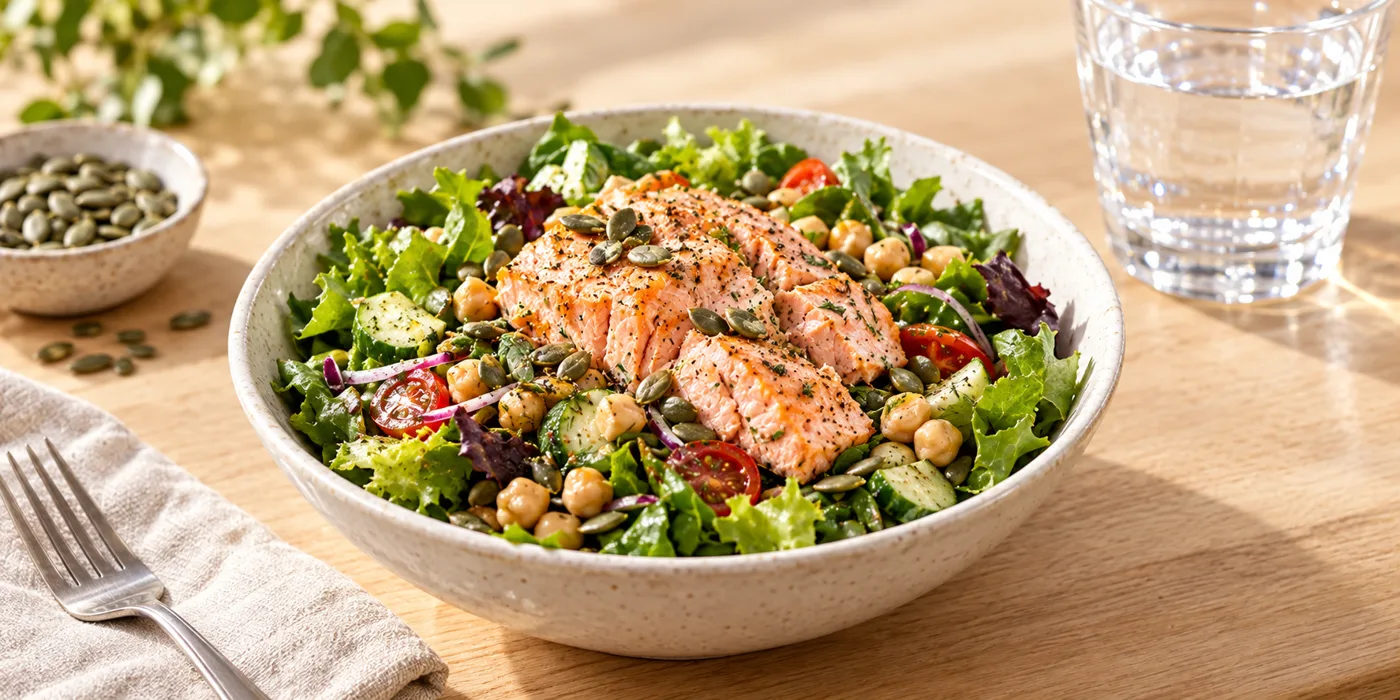
- Eat a balanced plate with plenty of vegetables, fish, beans, and seeds for your general health. These foods also supply omega-3 fats and minerals.
- Get enough sleep and find ways to ease stress. Both matter for overall health and for how your skin copes.
If a spot leaves dark marks, be patient. These marks often fade on their own over months, and a dermatologist can help if they do not.
Sulfur, MSM, and Cream of Tartar
Sulfur has a long history in skin care, and here the evidence is clear for one form. The FDA’s over-the-counter acne rules list sulfur at 3 to 10 percent as an approved active ingredient in products you put on the skin (FDA acne monograph). Sulfur washes, masks, and spot treatments fall in this group.
Swallowing sulfur is a different matter. MSM, a sulfur compound taken by mouth, has small studies on the look of skin, hair, and nails, but no trials in acne. Cream of tartar has no acne research at all. If you want to know what the MSM skin studies found and how long they ran, see how long MSM sulfur takes to clear skin.
A Note from Russ, Our Founder
In 2008 I was looking for answers to a health problem of my own, and I found an old pairing of sulfur and cream of tartar. I started Tarsul in 2010 so other people could use that simple two-ingredient mix without guessing at amounts.
People sometimes ask whether Tarsul can clear their skin. I understand that hope, but no study has tested Tarsul for acne, and I will not claim it helps. If breakouts are getting you down, a dermatologist or a good over-the-counter routine is the best place to start. If you also want to try something from the inside, zinc has the most studies behind it.
A Simple Plan for Clear Skin
- Wash gently twice a day, and avoid scrubbing or picking.
- Use an over-the-counter benzoyl peroxide or adapalene product, and give it 8 to 12 weeks.
- Try a sulfur product if your skin is sensitive to stronger products.
- If you add a supplement, pick one, stay within safe amounts, and track your skin with photos every few weeks.
- See a dermatologist for deep, painful, or scarring acne. Early treatment helps prevent scars.
About Tarsul’s ingredients. Because cream of tartar is high in potassium, please talk with your doctor before using Tarsul if you have kidney problems or take medicines that raise potassium, such as some blood pressure pills or potassium-sparing water pills (NIH Office of Dietary Supplements). Swallowing large amounts of cream of tartar has caused dangerously high potassium levels (Medical Journal of Australia, 2025). Details are on our cream of tartar page.
Frequently Asked Questions
What is the best supplement for clear skin?
Zinc has the most studies. A 2020 meta-analysis found that it reduced red, inflamed acne bumps. Smaller studies support vitamin B5, omega-3 fats, some probiotics, green tea extract, and vitamin D for people who are low in it. None of them work as well as proven acne treatments on the skin.
Do acne supplements actually work?
Some may help a little. A 2023 JAMA Dermatology review found possible benefit from several, but called the evidence limited, and the American Academy of Dermatology found the evidence too weak to make recommendations in its 2024 guideline.
How long does it take to see a difference in my skin?
Most studies ran 8 to 12 weeks. Skin takes time to renew, so give any change about three months before judging it.
How much zinc is safe for acne?
For adults, the upper limit from all sources is 40 mg a day unless a doctor advises more. Taking high doses for a long time can cause low copper levels. Check every product you take, because skin blends and multis often contain it too.
Does sulfur help acne?
Yes, on the skin. Sulfur at 3 to 10 percent is an FDA-approved active ingredient in over-the-counter acne products. Swallowing sulfur or MSM is different, and has not been tested in acne trials.
Does MSM clear skin?
MSM has small studies on the look of skin, hair, and nails, but none on acne. Our page on how long MSM takes for skin explains what those studies found.
Does Tarsul help acne?
No study has tested Tarsul for acne, so we do not claim it helps. Tarsul is a daily mineral product made mainly from cream of tartar, with a smaller amount of MSM.
Tarsul and Your Daily Routine
Tarsul is two ingredients, cream of tartar and MSM, with no proprietary blend, made in San Diego since 2010. Read about cream of tartar and MSM, see dosage and ingredients, or see Tarsul capsules and powder.
Have a Question? Ask Us
Search our guides, or send us a note. A real person at Tarsul reads every message.
Sources
American Academy of Dermatology. Updated guidelines for acne management. January 31, 2024.
Shields A, et al. Safety and effectiveness of oral nutraceuticals for treating acne: a systematic review. JAMA Dermatol. 2023;159(12):1373-1382.
Yee BE, et al. Serum zinc levels and efficacy of zinc treatment in acne vulgaris: a systematic review and meta-analysis. Dermatol Ther. 2020;33(6):e14252.
U.S. Food and Drug Administration. OTC Monograph M006: topical acne drug products for over-the-counter human use.
NIH Office of Dietary Supplements. Zinc fact sheet for consumers and Potassium fact sheet for health professionals.
Hyperkalaemic cardiac arrest due to cream of tartar ingestion. Med J Aust. 2025;222(11).
About this page — last reviewed October 2026
Written by Russ Guillemot, founder of Tarsul. Tarsul is a family-run dietary supplement company in San Diego, California, selling since 2010. We are not physicians, and nothing on this page is a diagnosis or a treatment plan. Where we cite research, we link to it so you can read it yourself.
Tarsul · 2307 Fenton Parkway #107-42, San Diego, CA 92108 · 619-500-4403 · info@tarsul.com
These statements have not been evaluated by the Food and Drug Administration. This product is not intended to diagnose, treat, cure, or prevent any disease.