
Digestion • Acid reflux • Everyday relief
What Helps Heartburn: Fast Relief and Habits That Last
That burning feeling after a meal or at bedtime is miserable, and very common. Here is how to calm it right now, what keeps it from coming back, and when it is time to get checked.
See Tarsul Capsules and Powder →
Key points
- For quick relief, an antacid works fastest. H2 blockers prevent heartburn for several hours, and over-the-counter PPIs are for frequent heartburn.
- Losing weight, if you carry extra, is the strongest lifestyle step in the 2022 ACG guideline.
- Eating earlier, raising the head of the bed, sleeping on the left side, chewing sugar-free gum after meals, and quitting smoking also help.
- Baking soda and apple cider vinegar are popular, but one carries real risks and the other has no research behind it.
- Heartburn more than twice a week, trouble swallowing, or weight loss deserve a doctor’s visit.
- Severe chest pain could be a heart attack. Call 911.
This page is general information, written by our founder. It is not medical advice or a plan of care.
What Heartburn Is
Heartburn is a burning feeling in the chest, often after eating or when lying down. It happens when stomach acid flows back into the esophagus, the tube that carries food from your mouth to your stomach. This backflow is called acid reflux. The National Institutes of Health describes heartburn as a painful, burning feeling in the middle of the chest, behind the breastbone (NIDDK).
Occasional heartburn is common and usually manageable. When reflux happens often and keeps causing symptoms, it is called gastroesophageal reflux disease, or GERD. Being overweight or pregnant raises the risk (MayoClinic.org). Below are the options that work, starting with the fastest. The goal is to protect the esophagus, since its lining is not built to handle acid the way the stomach lining is.
Quick Heartburn Relief from the Pharmacy
The FDA describes three types of over-the-counter heartburn medicine (FDA).
Antacids
Antacids such as calcium carbonate or magnesium hydroxide work by changing the stomach acid that causes heartburn, so they act quickly. They are best for occasional symptoms. Calcium carbonate tablets can relieve heartburn quickly, which makes them the usual first choice for quick heartburn help. Mayo Clinic notes that they will not heal an esophagus already inflamed by acid, and overuse of some can cause diarrhea or kidney problems (MayoClinic.org). Some antacid products also contain alginate, which forms a foamy layer on top of the stomach contents. The ACG notes that some alginate products have shown promise, but their content varies by country (ACG, 2022).
H2 Blockers
H2 blockers such as famotidine reduce how much acid the stomach makes. Pepcid is a familiar brand, sold as an acid reducer. These products usually start working within one to three hours and last several hours, so they can be taken before a meal you know tends to cause trouble (FDA).
Proton Pump Inhibitors (PPIs)
Over-the-counter proton pump inhibitors such as omeprazole are for frequent heartburn, on 2 or more days a week. They are not for immediate relief and may take one to four days for full effect. The label limits them to a 14-day course, up to three times a year (FDA). If you need them more often, talk with a health care professional.
H2 blockers and PPIs can interact with other medications, so ask your doctor or pharmacist first if you take a prescription drug. Some medications can also cause pain that feels like heartburn, so a medication review with your pharmacist is worth it (Harvard Health). Do not take more than the label says or use it longer than directed (FDA).
Home Remedies for Heartburn
Several simple steps at home can ease heartburn, and a few have been tested in small studies. Others are popular but unproven, and not all natural remedies are harmless. Here is what the research says about each one, so you can choose home remedies that make sense for you.
Sleep on Your Left Side
If heartburn bothers you at night, start the night lying on your left side, as Mayo Clinic suggests (MayoClinic.org). On the left side, the valve at the top of the stomach sits above the stomach contents. On your back or right side, it sits below them, so acid escapes more easily (Cleveland Clinic). A 2023 review found less acid in the esophagus, and faster clearing of acid, with left-side sleeping compared with lying on the back or the right side (Pathak et al., 2023). In a 100-patient trial in Amsterdam, a small device that nudged people off their right side at night reduced nighttime reflux (Amsterdam UMC).
Chewing Gum After Meals
Chewing sugar-free gum after a meal makes more saliva, which helps neutralize acid and wash it out of the esophagus and back down where it belongs. Harvard Health recommends it, but skip mint flavors, which may set off symptoms (Harvard Health). In a study of 31 people with reflux, 30 minutes of chewing gum after a meal cut the share of time acid sat in the esophagus from 5.7% to 3.6% (Moazzez et al., 2005).
Baking Soda: Use With Care
Its chemical name is sodium bicarbonate, an old antacid ingredient. MedlinePlus says that as an antacid it should be taken 1 to 2 hours after meals, never on an overly full stomach, and for no more than 2 weeks unless a clinician says otherwise. It adds a lot of sodium, so check first if you have high blood pressure, heart failure, or kidney disease (MedlinePlus).
Poison Control advises against mixing it from the kitchen shelf as a homemade antacid. It makes gas quickly, and stomach ruptures have happened after a large meal or heavy drinking. Calcium carbonate tablets work in a similar way and are much safer (Poison Control).
Apple Cider Vinegar, Ginger and Other Home Remedies
Apple cider vinegar is a popular tip, but a Harvard Health review found no published research on it for heartburn (Harvard Health). Johns Hopkins adds that it should never be taken at full strength, because it is a strong acid that can irritate the esophagus (Johns Hopkins Medicine). Ginger tea is another common choice. Mayo Clinic notes that ginger, chamomile and slippery elm have not been proved to treat GERD (MayoClinic.org). If you try one of these, keep it gentle and stop if it makes your symptoms worse.
A Glass of Water Instead of Soda
Carbonated drinks cause belching, which can push acid upward (Harvard Health). With meals, plain still drinks are a simple swap for soda, coffee, or alcohol, all common triggers.
Habits That Reduce and Relieve Heartburn
The 2022 American College of Gastroenterology guideline lists these lifestyle steps (ACG, 2022):
- Lose weight if you are overweight. This is the only lifestyle step with a strong recommendation.
- Avoid meals within 2 to 3 hours of bedtime.
- Raise the head of your bed if heartburn wakes you at night.
- Avoid the foods that trigger your own symptoms.
- Stop smoking and avoid other tobacco products.
To raise the head of the bed, use blocks under the bed legs or a wedge between the mattress and box spring. Extra pillows usually are not effective. If heartburn starts to disrupt your sleep, Cleveland Clinic advises talking with a doctor even if over-the-counter products help (Cleveland Clinic). A light, early dinner also leaves less in the stomach when you go to bed. One study of reflux at night notes that combining a raised bed with left-side sleeping appears most effective against nighttime reflux (PMC research article). Smaller meals, waiting 2 to 3 hours before lying down, and avoiding tight clothing around the waist also help (MayoClinic.org). Mayo Clinic also suggests eating slowly, putting your fork down between bites, so you do not overfill (MayoClinic.org). A full stomach pushes harder on the valve at the bottom of the esophagus.
Common Trigger Foods
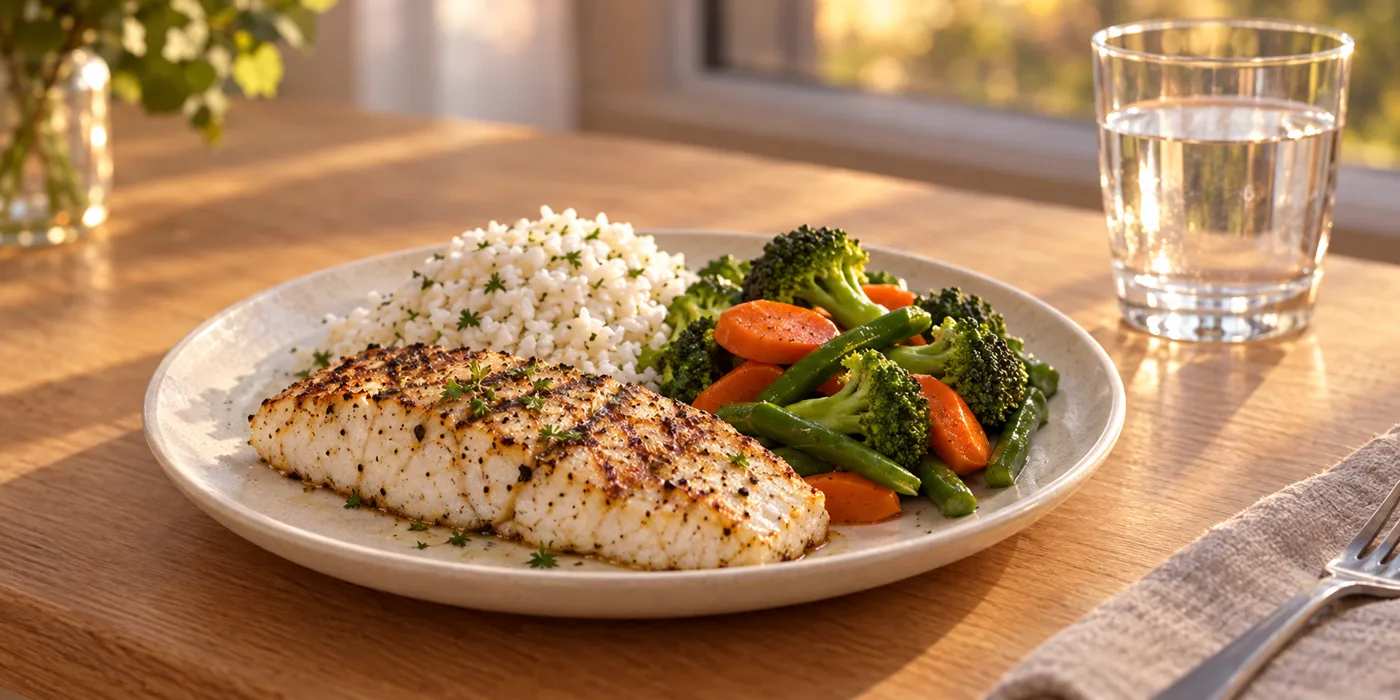
Triggers differ from person to person. Common ones include spicy foods, onions, citrus, tomato products, fatty or fried foods, peppermint, chocolate, alcohol, carbonated drinks, coffee and other caffeinated drinks, and large meals (MayoClinic.org). Once you know your own trigger foods, you can skip just those. A simple food diary for two weeks can show which ones matter for you, so you do not have to give up everything on the list.
Supplements, Minerals and Heartburn: An Honest Answer
Calcium carbonate and magnesium hydroxide, two minerals, are proven antacids. That is the clearest place minerals fit in heartburn relief.
Other popular remedies have little or no support. There is no research showing that cream of tartar or MSM helps heartburn, and no study has tested Tarsul for it. Cream of tartar is not an antacid, and large amounts are dangerous because of their high potassium. So we do not recommend Tarsul for heartburn.
A Note from Russ, Our Founder
In 2008 I was looking for answers to a health problem of my own, and I found an old pairing of sulfur and cream of tartar. I started Tarsul in 2010 so other people could use that simple formula without guessing at amounts.
People sometimes ask whether Tarsul can help heartburn. My honest answer is that I have no evidence it does, and I would rather tell you that than sell you something on hope. The things that work are well known and mostly simple: earlier and smaller dinners, a raised bed, knowing your triggers, and the right medicine when you need it.
When to See a Doctor
Call 911 for severe chest pain or pressure, especially with pain in the arm or jaw or trouble breathing. It may be a heart attack, not heartburn (MayoClinic.org).
Make an appointment if (MayoClinic.org) (Cleveland Clinic):
- Heartburn happens more than twice a week.
- Symptoms continue even with nonprescription medicines.
- You have trouble swallowing.
- You have nausea or vomiting that does not go away.
- You are losing weight because of poor appetite or trouble eating.
- You are over 60 and heartburn is new for you.
- You find you need an antacid on most days (MedlinePlus).
Frequent heartburn is worth a proper evaluation rather than years of self-treatment. A health care professional can check for GERD, look at the esophagus if needed, and discuss prescription options (NIDDK).
About Tarsul’s ingredients. Because cream of tartar is high in potassium, please talk with your doctor before using Tarsul if you have kidney problems or take medicines that raise potassium, such as some blood pressure pills or potassium-sparing water pills (NIH Office of Dietary Supplements). Swallowing large amounts of cream of tartar has caused dangerously high potassium levels (Medical Journal of Australia, 2025). Details are on our cream of tartar page.
Frequently Asked Questions
How can I stop heartburn fast?
An antacid works fastest because it changes the acid already in your stomach. Sitting or standing upright and loosening a tight waistband can also help. If heartburn keeps returning, an H2 blocker can prevent it for several hours.
How do I stop heartburn at night?
Finish eating 2 to 3 hours before bed, raise the head of your bed with blocks under the legs or a wedge under the mattress, and start the night on the left side. The first two are in the American College of Gastroenterology guideline, and left-side sleeping is supported by a 2023 review.
How often can I take an antacid?
Follow the label, and do not take more or for longer than it says. If you need one most days, talk with a healthcare professional, because frequent heartburn may be GERD and deserves an evaluation.
When is heartburn an emergency?
Severe chest pain or pressure, especially with pain in the arm or jaw or trouble breathing, can be a heart attack. Call 911 right away. Do not assume it is heartburn.
Does cream of tartar help heartburn?
There is no research showing that cream of tartar relieves heartburn, and it is not an antacid. Large amounts are also dangerous because of the potassium. We do not recommend it for heartburn.
Does MSM or Tarsul help heartburn?
No study has tested MSM or Tarsul for heartburn, so we do not claim either helps. The steps on this page have much better evidence.
Is heartburn the same as GERD?
Heartburn is a symptom. GERD, or gastroesophageal reflux disease, is the long-lasting condition in which stomach contents keep coming back up into the esophagus. Heartburn more than twice a week is a common sign of GERD.
Tarsul and Your Daily Routine
Tarsul is two ingredients, cream of tartar and MSM, with no proprietary blend, made in San Diego since 2010. Read about cream of tartar and MSM, see dosage and ingredients, or see Tarsul capsules and powder.
Have a Question? Ask Us
Search our guides, or send us a note. A real person at Tarsul reads every message.
Sources
Katz PO, et al. ACG clinical guideline for the diagnosis and management of gastroesophageal reflux disease. Am J Gastroenterol. 2022;117(1):27-56.
American College of Gastroenterology. Acid reflux (patient information).
U.S. Food and Drug Administration. Over-the-counter (OTC) heartburn treatment.
NIDDK. Symptoms and causes of GER and GERD and Treatment for GER and GERD.
MayoClinic.org. Heartburn: symptoms and causes, Heartburn: diagnosis and treatment and Gastroesophageal reflux disease: diagnosis and treatment.
Cleveland Clinic. Heartburn overview and Have heartburn? How to find relief for acid reflux.
Pathak R, et al. Left lateral decubitus sleeping position is associated with improved gastroesophageal reflux disease symptoms: a systematic review and meta-analysis. 2023.
Amsterdam UMC. Sleeping on the left side reduces acid reflux.
Moazzez R, Bartlett D, Anggiansah A. The effect of chewing sugar-free gum on gastro-esophageal reflux. J Dent Res. 2005;84(11):1062-5.
Harvard Health Publishing. 8 ways to quell the fire of heartburn and Apple cider vinegar for heartburn?.
MedlinePlus. Sodium bicarbonate and Taking antacids.
Relationship between gastroesophageal reflux disease and sleep. PMC9713921.
Poison Control. Baking soda risks.
Johns Hopkins Medicine. GERD diet: foods that help with acid reflux.
NIH Office of Dietary Supplements. Potassium fact sheet for health professionals.
Hyperkalaemic cardiac arrest due to cream of tartar ingestion. Med J Aust. 2025;222(11).
About this page — last reviewed October 2026
Written by Russ Guillemot, founder of Tarsul. Tarsul is a family-run dietary supplement company in San Diego, California, selling since 2010. We are not physicians, and nothing on this page is a diagnosis or a treatment plan. Where we cite research, we link to it so you can read it yourself.
Tarsul · 2307 Fenton Parkway #107-42, San Diego, CA 92108 · 619-500-4403 · info@tarsul.com
These statements have not been evaluated by the Food and Drug Administration. This product is not intended to diagnose, treat, cure, or prevent any disease.