
Methylsulfonylmethane • Research • Side effects
MSM Benefits: What MSM Is, What the Research Shows, and How Much to Take
MSM is one of the most popular supplements on the shelf, and one of the most over-promised. Here is a calm, sourced look at what it is, which benefits have real human research behind them, and what to know before you take it.
See Tarsul Capsules and Powder →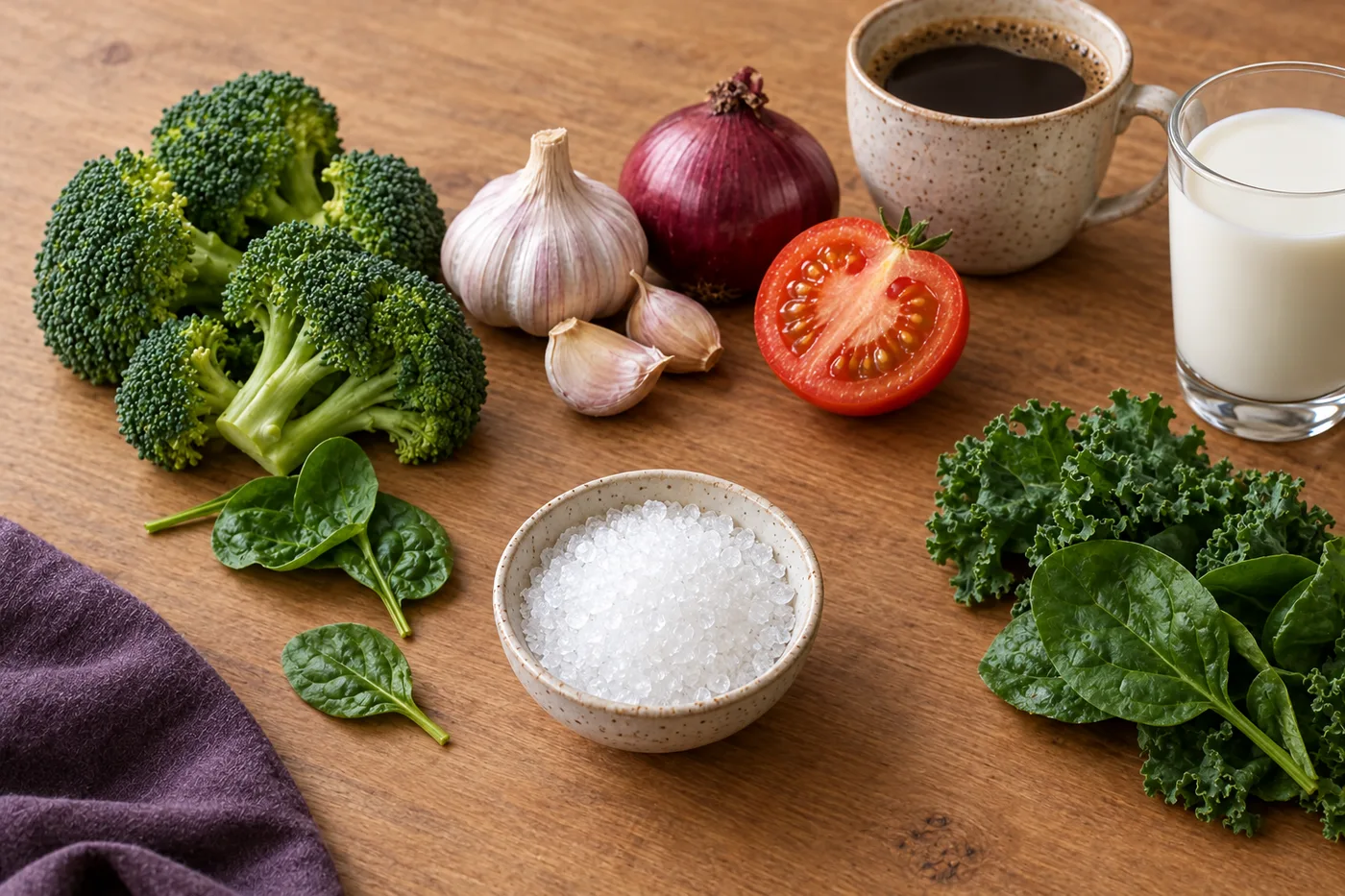
Key points
- MSM is methylsulfonylmethane, a compound found in small amounts in many foods and sold widely as a dietary supplement.
- The best human research on MSM covers joint comfort, exercise recovery, and the look of skin, hair, and nails. Most studies are small, and many are industry-funded.
- Studies typically used 1 to 3 grams of MSM daily, and reviews describe MSM as well tolerated up to about 4 grams.
- Side effects are usually mild and digestive. If you take a blood thinner such as warfarin, talk with your doctor first.
- Claims that MSM detoxes the body, kills parasites, or cures disease are not supported.
This page is general information, written by our founder. It is not medical advice, a diagnosis, or a plan of care.
What Is Methylsulfonylmethane (MSM)?
Methylsulfonylmethane (MSM), also called dimethyl sulfone, is a small, odorless, white crystalline compound. About a third of its weight is sulfur (PubChem, National Library of Medicine). MSM occurs naturally in small amounts in cow’s milk, coffee, tomatoes, beets, and cabbage (2025 review of nail supplements). The MSM in supplements is made to a consistent purity, because the amounts of MSM in food are far too small to matter.
MSM is closely related to DMSO (dimethyl sulfoxide). In fact, MSM is what DMSO turns into in the body. They are not the same thing, though. DMSO is a solvent known for passing through skin and causing a garlic-like taste. MSM does not behave that way, and its effects in the body are different, so if you read something alarming about DMSO, check whether it really applies to MSM.
In 2008 the FDA reviewed a notice that MSM is Generally Recognized as Safe for use in certain foods and drinks, and it had no questions about that conclusion (FDA GRAS Notice 229).
How MSM Works in the Body
MSM is absorbed quickly after you swallow it and spreads through the body, including into skin and other tissues (Butawan et al., 2017). The interest in MSM comes from what it carries. Sulfur is built into the body’s structure rather than simply helping reactions along:
- Keratin. Hair and nails are made largely of keratin, which is rich in cysteine. Bonds between these cysteine units help give nails their strength and hair its resilience.
- Glutathione. One of the body’s main antioxidants is built around cysteine.
- Connective tissue. The same building blocks appear in collagen-related proteins and in molecules that support cartilage, the cushioning tissue in joints. That is why MSM is often studied for cartilage and joints.
You will often read that MSM may help your body make collagen. That idea is plausible, but it has not been shown directly in people. In lab and animal research, MSM also affects signaling pathways involved in inflammation and oxidative stress, which is the main scientific reason it is studied (Nutrients review). Whether those effects of MSM matter in the human body is what each study below tries to answer. Most people already get plenty of these building blocks from protein.

Health Benefits of MSM Supplementation: What the Research Shows
Most articles list every claimed benefit of MSM side by side. It is more useful to sort the health benefits by how much medical evidence there is, because not all health benefits are equally well supported. The best starting point is a free 2017 review by Butawan, Benjamin, and Bloomer in Nutrients (Butawan et al., 2017).
Joint Comfort
This is the most studied area of joint health research for MSM. In one 12-week study, 50 adults with long-standing knee discomfort took 3 grams of MSM twice daily, and their pain and physical function scores improved more than with placebo (Nutrients review). Other studies paired MSM with glucosamine. The MSM and glucosamine combination looked better than either alone, which makes it hard to tell which ingredient did what. MSM is also often sold alongside chondroitin for knee and cartilage support. Overall, the effects on joint comfort, stiffness, and mobility were modest, and the reviewers called for larger and longer trials. MSM is not a replacement for medical care if you have ongoing joint pain, and inflammation that persists deserves a proper medical check.
Exercise Recovery and Inflammation
A handful of studies in active adults found that MSM was linked to less muscle soreness and lower markers of exercise-related inflammation and oxidative stress after hard training (Nutrients review). In one study, half-marathon runners who took 3 grams of MSM daily for three weeks reported less muscle pain and joint discomfort afterward. These studies were small, and the effects varied from one study to the next.

Skin, Hair, and Nails
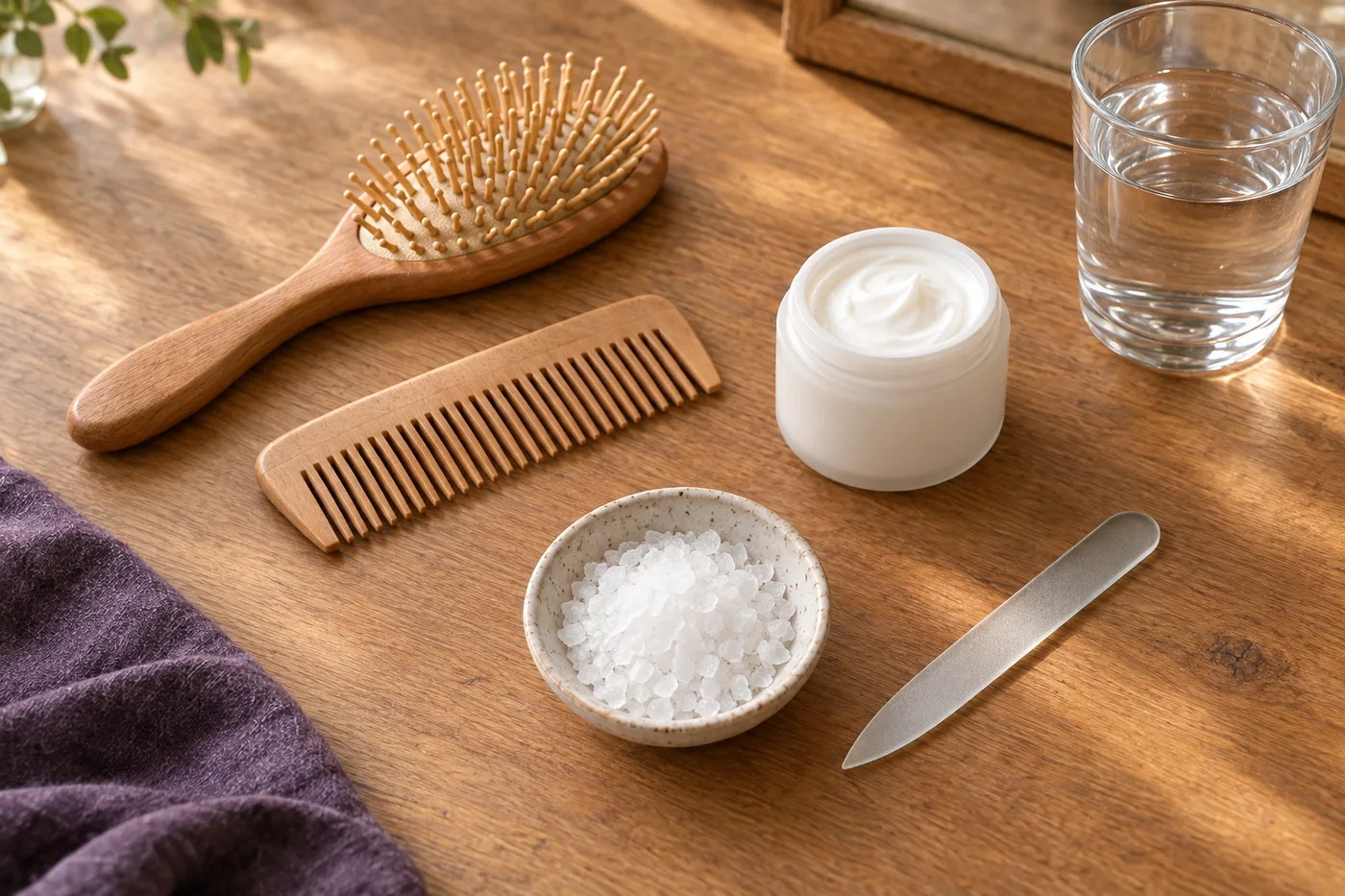
A 2019 study gave 63 women 1 or 3 grams of MSM daily for four months. Expert graders and the participants themselves reported better hair and nail appearance, with faster results at the higher amount (Nutraceuticals World summary). A related 2022 study of MSM by the same researchers reported improvements in the look of fine lines, skin firmness, and skin hydration (Muizzuddin and Benjamin, 2022). Both studies were funded by an MSM manufacturer and compared two doses rather than using a placebo group. A 2025 review of nail supplements called the evidence for MSM skin and nail effects promising but weak (nail supplement review).
What MSM Has Not Been Shown to Do
You will also see MSM promoted to detox the body, fade stretch marks, kill parasites or fungus, or cure specific diseases. We are not aware of good human evidence for any of these, and we do not make those claims. It is better to know what the science supports about MSM than to buy on hope. The real health benefits are modest, and that is fine.
How Much MSM Supplementation Is Typical?
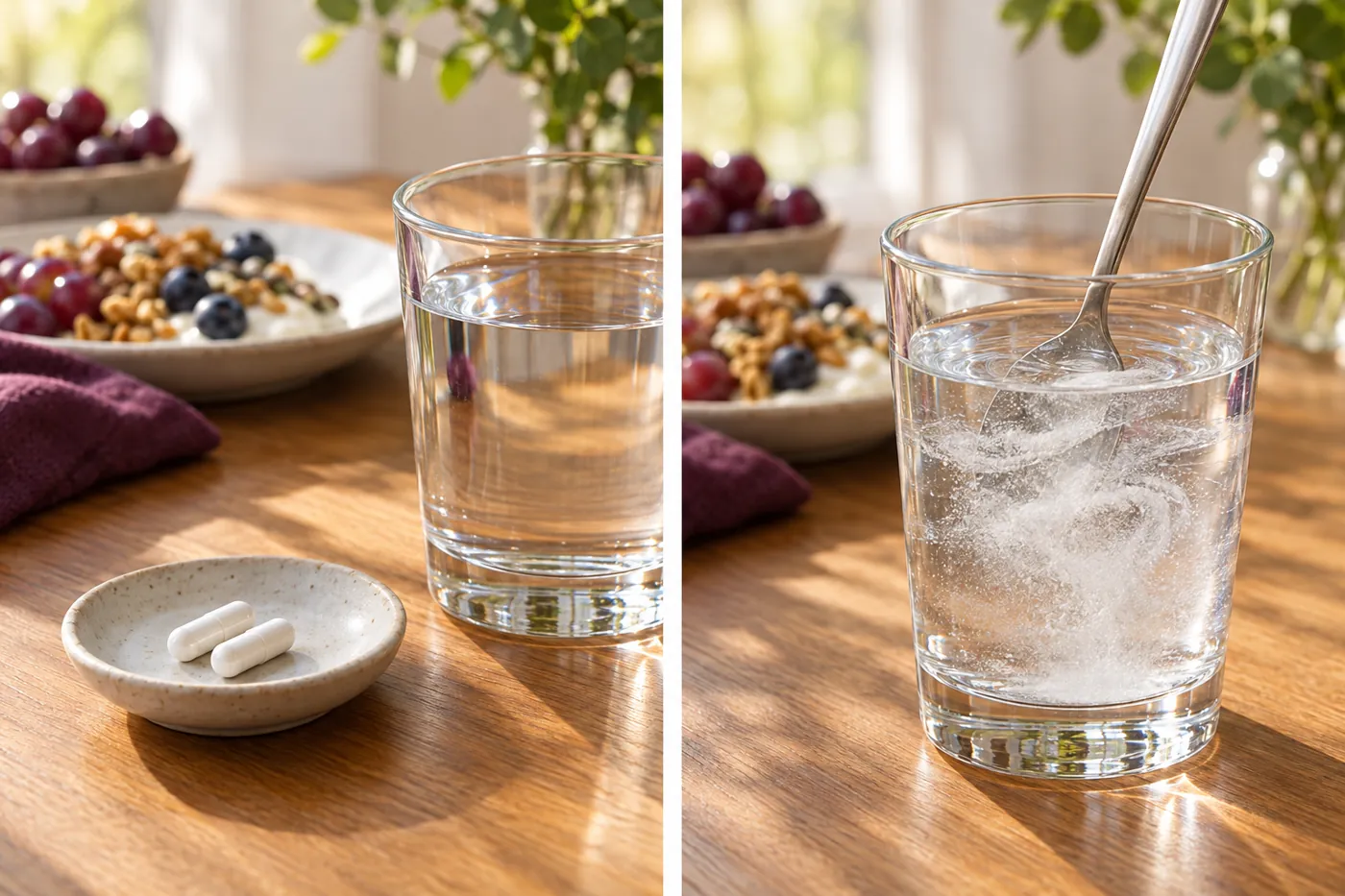
Human research on MSM has generally used 1 to 3 grams daily, and some joint trials used 6 grams. The 2017 review describes MSM as well tolerated at up to about 4 grams daily (Butawan et al.). That is the research picture, not a personal recommendation. Use the serving on your product label, and ask your doctor before going beyond it.
Most people take MSM once or twice daily with food. Joint and recovery research ran from a few weeks to three months, and skin, hair, and nail trials ran about four months, so give any change in routine some time before judging it.
A note on Tarsul: it is made mainly from cream of tartar, with a smaller amount of MSM. So a Tarsul serving supplies less MSM than most of the studies above used. We would rather tell you that plainly than let you assume otherwise. For serving details, see Tarsul dosage and ingredients.
MSM Supplement Side Effects and Interactions
Reported side effects of MSM are usually mild and digestive: nausea, bloating, or loose stools, especially at higher amounts or in the first few days. Headache is occasionally reported. Starting with a smaller amount of MSM and taking it with a meal tends to help your body adjust.
Blood thinners. When the FDA reviewed MSM for drug compounding in 2015, it noted reports suggesting a possible interaction with warfarin and a risk of bleeding (FDA Pharmacy Compounding Advisory Committee materials, 2015). If you take warfarin or any other blood thinner, please talk with your doctor before using MSM.
Other medicines. MSM has not been tested against most prescription drugs. That is not proof of a problem, but it is not proof of safety either. If you take prescriptions regularly, mention MSM to your pharmacist. It is a quick, free conversation.
Pregnancy, nursing, kidneys, and liver. Safe amounts of MSM have not been established for these groups, so ask a medical professional first.
Tarsul’s other ingredient. Tarsul also contains cream of tartar, a concentrated potassium source. Those cautions are separate from MSM, and they matter most for people with kidney problems or on potassium-raising medicines. They are set out on our cream of tartar page.
MSM Supplements and Tarsul
Sulfur and cream of tartar were paired for generations, and sulfur and cream of tartar lozenges were an official U.S. Pharmacopeia preparation in the early twentieth century. Tarsul updates that old pairing with MSM in place of plain sulfur, in a formula made mainly from cream of tartar. Most MSM supplements on the shelf contain MSM alone, sometimes with glucosamine. Tarsul is different: two ingredients and no proprietary blend, in capsules or powder, made in San Diego since 2010.
Learn more on our homepage, read about cream of tartar benefits, or see Tarsul capsules and powder. Orders over $50 ship free, with a 30-day money-back guarantee.
Have a Question? Ask Us
Search our guides, or send us a note. A real person at Tarsul reads every message.
Frequently Asked Questions
Is MSM the same as sulfur?
No. MSM is a compound that contains sulfur, about a third of its weight. Plain sulfur, sometimes called flowers of sulfur, is the element itself. They behave differently in the body, and MSM is the form used in most modern supplements, including Tarsul.
Can MSM cause diarrhea or loose stools?
It can for some people, especially at higher amounts or when starting. Mild stomach upset, bloating, and loose stools are the most commonly reported side effects. Starting low and taking it with food usually helps.
Can you take too much MSM?
Research reviews describe MSM as well tolerated up to about 4 grams a day, and some studies have used more under supervision. More is not automatically better. Follow your product label.
How long does it take to notice anything?
Studies on skin, hair, and nails ran for about four months, because hair and nails grow slowly. Joint and recovery studies typically ran for several weeks to three months.
What foods contain MSM?
Small amounts occur naturally in cow’s milk, coffee, tomatoes, beets, cabbage, and some other vegetables and grains. The amounts in food are far smaller than supplement amounts.
Does MSM kill parasites or fungus?
There is no good human evidence that it does. If you are worried about an infection, please see a doctor, because those need proper testing and treatment.
Is MSM safe for the kidneys and liver?
There is no good evidence of harm in healthy people at ordinary amounts. If you already have kidney or liver problems, safe amounts have not been established for you, so ask your doctor first.
Sources
Butawan M, Benjamin RL, Bloomer RJ. Methylsulfonylmethane: Applications and Safety of a Novel Dietary Supplement. Nutrients. 2017;9(3):290.
U.S. Food and Drug Administration. GRAS Notice No. 229: Methylsulfonylmethane. 2008.
U.S. Food and Drug Administration. Pharmacy Compounding Advisory Committee materials on MSM. October 2015.
National Library of Medicine. PubChem: Dimethyl sulfone.
Muizzuddin N, Benjamin R. Hair and nail condition trial. Nat Med J. 2019. Summary via Nutraceuticals World.
Muizzuddin N, Benjamin R. Beauty from within: oral MSM improves signs of skin ageing. Int J Vitam Nutr Res. 2022.
About this page — last reviewed October 2026
Written by Russ Guillemot, founder of Tarsul. Tarsul is a family-run dietary supplement company in San Diego, California, selling since 2010. We are not physicians, and nothing on this page is a diagnosis or a treatment plan. Where we cite research, we link to it so you can read it yourself.
Tarsul · 2307 Fenton Parkway #107-42, San Diego, CA 92108 · 619-500-4403 · info@tarsul.com
These statements have not been evaluated by the Food and Drug Administration. This product is not intended to diagnose, treat, cure, or prevent any disease.