
Heart health • Blood pressure • Daily habits
How to Lower Blood Pressure Naturally: Steps That Really Work
Hearing that your blood pressure is high can be unsettling, especially when you feel fine. The encouraging part is that everyday changes make a real difference. Here is what the newest guideline recommends, and how to put it into practice.
See Tarsul Capsules and Powder →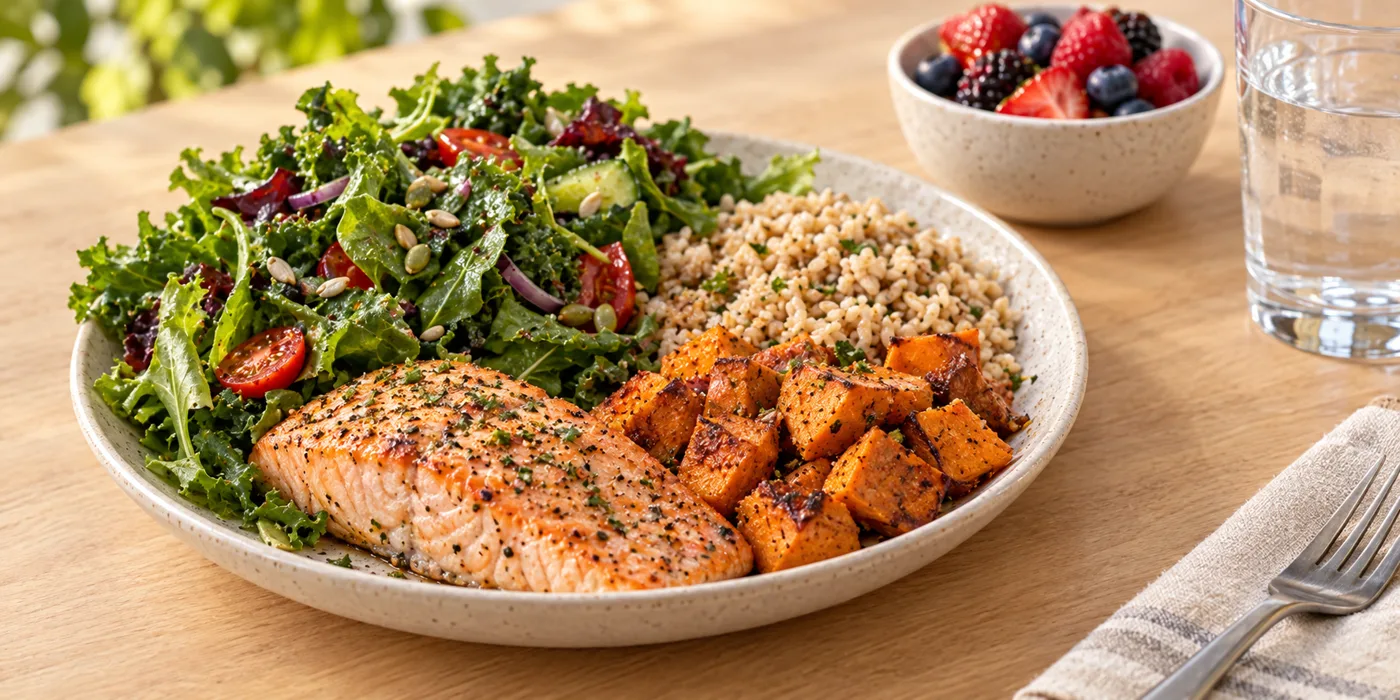
Key points
- High blood pressure usually has no symptoms. Measuring it is the only way to know.
- The DASH eating plan, less sodium, more fruits and vegetables, regular activity, a healthy weight, and less alcohol all lower blood pressure.
- Aim for less than 2,300 mg of sodium a day, moving toward 1,500 mg.
- Supplements have small effects at best, and some raise blood pressure.
- Never stop blood pressure pills on your own, and ask before adding any mineral product if you take them.
This page is general information, written by our founder. It is not medical advice.
High Blood Pressure and Hypertension: What the Numbers Mean
Blood pressure is written as two numbers. The top number, systolic, is the pressure when your heart beats. The bottom number, diastolic, is the pressure between beats. CDC uses these ranges (CDC):
- Normal: below 120/80
- Elevated: 120 to 129 on top, and below 80 on the bottom
- High blood pressure (hypertension): 130 or higher on top, or 80 or higher on the bottom
High blood pressure usually has no warning signs, and many people do not know they have it. Over time it can damage the heart, brain, kidneys, and eyes, and raise the risk of heart attack, stroke, heart failure, and dementia (CDC). Diabetes, kidney disease, a family history, and getting older all raise the risk of hypertension, which makes regular checks even more important. Knowing your numbers is the first step to lower blood pressure.
Lifestyle Changes That Lower Blood Pressure
The 2025 high blood pressure guideline from the American Heart Association and the American College of Cardiology strongly recommends lifestyle changes for every adult, whether or not their blood pressure is high yet (2025 AHA/ACC guideline). These are the natural, everyday steps with the best evidence. They work for people with hypertension and for people who simply want to keep their blood pressure healthy. Each step can lower blood pressure a few points on its own, and the effects add up when you combine them.
Follow the DASH Diet
DASH stands for Dietary Approaches to Stop Hypertension. The DASH diet is built on vegetables, fruits, and whole grains, with low-fat dairy, fish, poultry, beans, nuts, and vegetable oils. It limits fatty meats, full-fat dairy, tropical oils, sugary drinks, and sweets (NHLBI). No special foods are needed. Eating a healthy diet like this one is one of the most effective ways of lowering blood pressure without medication, and it supports heart health in general.
Healthy eating does not have to be complicated. Fill half your plate with vegetables and fruit, choose whole grains over white bread and rice, and cut back on added sugar. Drinking water instead of soda or sweet tea is an easy swap.
Eat Less Sodium
The guideline recommends less than 2,300 mg of sodium a day, moving toward an ideal of 1,500 mg. Most sodium comes from packaged and restaurant foods, not the salt shaker, so reading food labels matters most (American College of Cardiology). For people with high blood pressure, a lower sodium intake reduces the top number by about 5 to 8 points (2025 AHA/ACC guideline).
Eat More Fruits, Vegetables, and Beans
Getting too little potassium can raise blood pressure, especially when the diet is high in sodium (NIH ODS). The guideline suggests 3,500 to 5,000 mg a day, ideally from food, which can lower the top number by about 6 points. People with kidney disease, or who take pills that make the body hold on to this mineral, need guidance first (2025 AHA/ACC guideline). Good sources include white potatoes, sweet potatoes, white beans, beet greens, and plain yogurt (Dietary Guidelines for Americans).
Move More
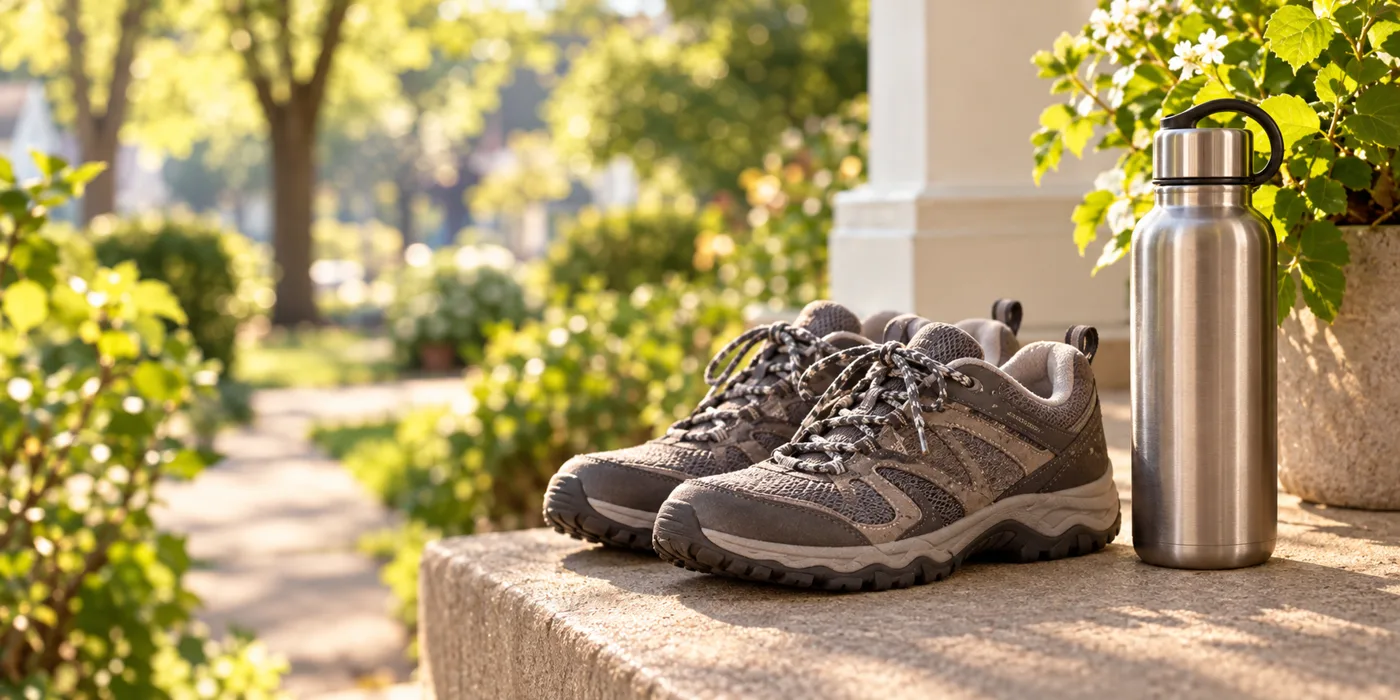
Get regular physical activity: the guideline recommends at least 150 minutes a week of moderate activity, such as brisk walking, plus resistance exercise at least 2 days a week (2025 AHA/ACC guideline). CDC puts it simply: about 30 minutes a day, 5 days a week (CDC).
Reach a Healthy Weight
For adults with overweight or obesity, the goal is to lose at least 5 percent of body weight (American College of Cardiology). Blood pressure tends to drop about 1 point for every kilogram (2.2 pounds) lost (Medscape guideline summary). Even a modest weight loss counts, and it also lowers the risk of diabetes.
Limit Alcohol and Don’t Smoke
Any amount of alcohol is linked to higher blood pressure. The guideline’s ideal is no alcohol; if you drink, have no more than 1 drink a day for women or 2 for men (2025 AHA/ACC guideline). Not smoking is also on CDC’s list of prevention steps (CDC).
Managing Stress
The guideline suggests managing stress with exercise and techniques such as meditation, breathing control, or yoga (American College of Cardiology). Ongoing stress can lead to habits that raise blood pressure, like poor sleep, less activity, and more salty comfort food. Getting 7 or more hours of sleep and making time for yourself count too.
Salt Substitutes and Blood Pressure
Salt substitutes replace part of the sodium in table salt with potassium chloride. In a large trial of nearly 21,000 older adults in rural China with a history of stroke or high blood pressure, using a substitute of 75 percent sodium chloride and 25 percent potassium chloride for about 5 years lowered the rate of stroke, major heart events, and death compared with regular salt (Neal et al., New England Journal of Medicine, 2021).
The 2025 guideline says these substitutes can be useful, especially when most of your salt comes from home cooking. The exception is people with kidney disease or who take pills that reduce mineral loss in urine, who need monitoring (2025 AHA/ACC guideline). Ask before you switch.
Natural Remedies and Supplements
According to NCCIH, cocoa, garlic, fish oil, flaxseed, green or black tea, probiotics, and hibiscus may help reduce blood pressure a little. But the evidence is limited, the effects are small, and no supplement has been shown to work as well as prescribed blood pressure treatment (NCCIH).
Some natural remedies can make things worse. Bitter orange, ephedra, ginseng, and licorice root may raise blood pressure, and some products interact with blood pressure pills. Tell your care team about every supplement you take, and do not replace your treatment with an unproven product (NCCIH). Good nutrition from real food is a better place to put your effort.
Check Your Blood Pressure at Home
The guideline recommends home monitoring to confirm a diagnosis, track your progress, and adjust care (American College of Cardiology). The AHA offers these tips for accurate readings (American Heart Association):
- Use a validated upper-arm cuff that fits your arm. Wrist and finger monitors are less reliable.
- Sit quietly for at least 5 minutes first, with your arm supported at heart level.
- Avoid caffeine, exercise, and smoking for at least 30 minutes before.
- Take 2 readings a minute apart, at the same times each day, and write them down.
Bring your log to appointments so your care team can see the full picture of your blood pressure over time.
A Simple Month-by-Month Plan for Blood Pressure
You do not have to change everything at once. Most people find it easier to lower blood pressure naturally by adding one habit at a time and letting it settle before adding the next:
- Week 1: Start a home blood pressure log, and take readings at the same times each day.
- Week 2: Eat one more serving of vegetables or fruit at each meal, and check the sodium on labels of the foods you eat most.
- Week 3: Add a 10- to 15-minute walk after meals, and build toward 30 minutes on most days.
- Week 4: Look at drinks and sweets. Cut back on alcohol, sugary drinks, and added sugar.
- Every week: Aim for 7 or more hours of sleep, make time to unwind from stress, and keep your weight moving in the right direction.
After about 3 months, review your blood pressure log with your doctor. If your blood pressure is still above your goal, that is useful information, not a setback. Your doctor can decide whether to add medication while you keep up the habits that help. If your blood pressure is in range, keep going: the same habits that lower blood pressure also lower your risk of stroke, heart disease, and diabetes over time (CDC).
When Blood Pressure Medication Is Needed
Lifestyle changes are the foundation, but they are not always enough. Under the 2025 guideline, if blood pressure stays at 130/80 or higher after 3 to 6 months of steady changes, starting medication is recommended, even for people at lower risk (Current Cardiology Reports, 2026). People at higher risk may start sooner.
Taking medication for hypertension is not a failure. It protects your heart, brain, and kidneys while you keep up the habits that help. Never stop or change a dose without talking to your prescriber.
Cream of Tartar and Tarsul: A Safety Note
Because minerals matter for blood pressure, people sometimes ask about cream of tartar. The guideline’s advice is to get these minerals mostly from food (2025 AHA/ACC guideline). We do not claim that Tarsul lowers blood pressure, and it is not a substitute for your treatment.
This is the most important safety point on this page. Cream of tartar is very high in potassium. Some common blood pressure pills, including ACE inhibitors and water pills that spare this mineral, make the body hold on to it. Adding a concentrated source on top of them, especially with kidney disease, can push blood levels too high (NIH ODS). If you have hypertension, talk with your doctor before using Tarsul.
A Note from Russ, Our Founder
In 2008 I was looking for answers to a health problem of my own, and I found an old pairing of sulfur and cream of tartar. I started Tarsul in 2010 so other people could use that simple two-ingredient mix without guessing at amounts.
People sometimes ask whether Tarsul can replace their blood pressure pills. My honest answer is no, and please don’t try. The steps on this page are the ones with real evidence, and they work best alongside the care you already get.
When to See a Doctor about High Blood Pressure
Have your blood pressure checked regularly, and more often if it has been high. Ask your doctor what blood pressure goal is right for you, since it depends on your stroke and heart risk. Call 911 if your blood pressure is higher than 180/120 and you have chest pain, shortness of breath, back pain, numbness, weakness, a change in vision, or difficulty speaking. If a reading is that high without symptoms, wait a minute, check again, and contact your health care professional as soon as possible if it is still high (American Heart Association).
About Tarsul’s ingredients. Because Tarsul’s main ingredient is high in potassium, please talk with your doctor before using Tarsul if you have kidney problems or take medicines that hold on to this mineral, such as some blood pressure pills or spironolactone-type water pills (NIH Office of Dietary Supplements). Swallowing large amounts of cream of tartar has caused dangerously high blood levels of this mineral (Medical Journal of Australia, 2025). Details are on our ingredient safety page.
Frequently Asked Questions
What is the fastest way to lower blood pressure without pills?
There is no safe quick fix. Cutting sodium, the DASH diet, regular activity, weight loss, and less alcohol all lower blood pressure gradually, and they work best together. If a reading is above 180/120 with symptoms such as chest pain, call 911.
How much can lifestyle changes lower blood pressure?
Each change helps a little, and together they add up. In the 2025 guideline, cutting sodium can lower systolic pressure by about 5 to 8 points in people with hypertension, and getting more potassium from food by about 6 points.
Which foods help lower blood pressure?
Vegetables, fruits, whole grains, beans, nuts, seeds, low-fat dairy, and fish, as in the DASH eating plan. Potatoes, beans, and leafy greens are especially good choices.
Can I stop my blood pressure pills if I change my diet?
Do not stop or change any prescription on your own. Lifestyle changes can sometimes mean a lower dose, but only your health care professional can make that call based on your readings.
Do natural remedies lower blood pressure?
According to NCCIH, garlic, fish oil, cocoa, and a few others may have small effects, but none works as well as prescribed treatment. Some, such as licorice root and bitter orange, can raise blood pressure.
Does Tarsul lower blood pressure?
No. We do not claim that Tarsul lowers blood pressure. Its main ingredient is a concentrated mineral source, and many blood pressure pills affect that same mineral, so please ask your care team before using it.
Tarsul and Your Daily Routine
Tarsul is two ingredients, cream of tartar and MSM, with no proprietary blend, made in San Diego since 2010. Read about our main ingredient and MSM, see dosage and ingredients, or see Tarsul capsules and powder.
Have a Question? Ask Us
Search our guides, or send us a note. A real person at Tarsul reads every message.
Sources
Jones DW, et al. 2025 AHA/ACC guideline for the prevention, detection, evaluation and management of high blood pressure in adults. Circulation. 2025.
American College of Cardiology. New high blood pressure guideline emphasizes prevention, early treatment. August 2025.
CDC. About high blood pressure.
NHLBI. DASH eating plan.
NCCIH. Hypertension (high blood pressure) and complementary health approaches.
Neal B, et al. Effect of salt substitution on cardiovascular events and death. N Engl J Med. 2021;385:1067-1077.
AHA. When to call 911 about high blood pressure and home blood pressure monitoring.
Medscape. Hypertension, adults: 2025 AHA/ACC guideline summary.
US Department of Agriculture and US Department of Health and Human Services. Dietary Guidelines for Americans, 2020-2025.
The 2025 AHA/ACC hypertension guidelines. Curr Cardiol Rep. 2026.
NIH ODS. Consumer fact sheet on a key heart mineral and fact sheet for health professionals.
Hyperkalaemic cardiac arrest due to cream of tartar ingestion. Med J Aust. 2025;222(11).
About this page — last reviewed October 2026
Written by Russ Guillemot, founder of Tarsul. Tarsul is a family-run dietary supplement company in San Diego, California, selling since 2010. We are not physicians, and nothing on this page is a diagnosis or a treatment plan. Where we cite research, we link to it so you can read it yourself.
Tarsul · 2307 Fenton Parkway #107-42, San Diego, CA 92108 · 619-500-4403 · info@tarsul.com
These statements have not been evaluated by the Food and Drug Administration. This product is not intended to diagnose, treat, cure, or prevent any disease.