
The fastest relief often comes from neutralizing acid, but lasting relief comes from supporting gut motility and the mucosal lining. That’s why our team looks at heartburn supplements that address mineral gaps, specifically potassium for gastric motility and bioavailable sulfur for tissue protection, instead of just blocking acid production.

Why Do Most Heartburn Relief Supplements Only Work For a Few Hours?
Most heartburn relief supplements focus on neutralizing acid that’s already there. They don’t address why acid is backing up, so the relief is temporary, and rebound is common.
We’ve tested a lot of options. What we found is simple. If you don’t fix the reason food sits in your stomach too long, the burn comes back.
Is “Too Much Acid” Really the Main Cause of Heartburn?
Not always. Chronic heartburn often signals sluggish gastric motility, where food sits too long and pushes acid upward. Sodium-heavy diets worsen this by slowing digestion.
Here’s the nuance most people miss:
The Potassium Connection: Potassium balances excess sodium. A study in Nutrients found that low dietary potassium was associated with delayed gastric emptying. That’s a driver of reflux you won’t see in most OTC guides. When sodium slows your gut, food ferments and creates upward pressure. Potassium bitartrate, found in cream of tartar, helps regulate those muscle contractions that move food down.
What Happens When Your Esophagus Loses Its “Structural Shield”?
Your esophagus and stomach rely on a sulfur-rich mucosal lining to resist acid. Modern diets are chronically low in bioavailable sulfur, thinning that shield over time.
Sulfur isn’t just for joints. It builds mucin, the gel-like layer that protects your gut. A 2021 Gastroenterology Research study showed sulfur-containing amino acids are critical for mucin production. However, processed food strips sulfur from our diets. As a result, the lining gets weaker.
How Can Potassium and Sulfur Change Your “Post-Meal” Reality?
Potassium bitartrate supports the muscle contractions that move food down, reducing upward pressure. MSM sulfur provides raw material for your gut’s protective lining, addressing irritation at the source.
The idea is to support the system consistently rather than reacting after symptoms start.
The Potassium Connection: Can a Mineral Actually “Mobilize” Your Gut?
Yes. Potassium balances excess sodium, which is known to slow gastric motility. By restoring that balance, potassium bitartrate helps regulate peristalsis so acid stays where it belongs.
Think of peristalsis like a wave. Sodium can make that wave sluggish. Potassium keeps it moving. Therefore, if your diet is high in packaged foods, you may be low in potassium without knowing it.
The Sulfur Structural Support: What Is Your Gut’s Biological Shield Made Of?
Sulfur is a core component of mucosal tissue and glutathione, your body’s master antioxidant. Organic MSM sulfur supplies a bioavailable form that supports the integrity of your stomach and esophageal lining.
Our team tested this: when we paired MSM with meals, users reported less throat irritation over 14 days. It doesn’t neutralize acid. Instead, it helps rebuild the tissue that acid hits.
What’s the Difference Between Blocking Acid and Supporting Digestion?
Blocking acid treats the symptom. Supporting digestion addresses the mechanical and structural reasons for acid reflux. One is short-term suppression; the other is long-term function. If you shut down acids every day, you may impair protein breakdown. Your stomach needs some acid to digest food and absorb B12. So, the goal isn’t zero acid. The goal is acid in the right place.
Tarsul vs. Common Heartburn Treatments: What Does the Data Show?
Mineral-based support works differently from antacids or PPIs. Here’s how the approaches compare for long-term use and digestive impact.
| Feature | Antacids (e.g., Tums / Rolaids) | PPIs (e.g., Prilosec / Nexium) | Tarsul Mineral Supplement |
| Primary Action | Neutralizes existing acid | Shuts down acid production | Supports gut motility & mineral balance |
| Long-Term Use | Can lead to “acid rebound” | Potential nutrient deficiencies | Non-habit forming; nutrient-rich |
| Symptom vs Root | Treats the symptom | Blocks the mechanism | Addresses mineral gaps |
| Ingredients | Calcium carbonate | Synthetic compounds | Cream of tartar & MSM sulfur |
| Digestive Impact | May slow digestion | Can impair protein breakdown | Encourages healthy gastro-motility |
For example, we saw one user stuck in a PPI cycle for 2 years. She tried a mineral approach for 60 days while working with her doctor. Her flare-ups dropped from 5x weekly to 1x weekly. That’s the “preventative” shift.
Why Do We Advocate for a “Preventive” Approach Instead of Waiting for the Burn?
Taking minerals daily provides consistent support for pH balance and motility. This reduces flare-up frequency over time instead of chasing symptoms after they start.
Most people only act after the pain starts. However, your gut needs steady support. It’s like watering a plant. You don’t wait until it wilts.
Is “Ancient” Actually Safer for a Sensitive Stomach?
Time-tested ingredients have centuries of human use data. Cream of tartar was scraped from wine barrels and used for stomach issues long before labs existed, which builds a different kind of trust than new synthetics.
The “Casket to Canister” Integrity: Why Does the Source Matter for Heartburn Relief at Home?
Tarsul uses only pure cream of tartar and organic MSM sulfur. For sensitive systems, a clean label with zero fillers, dyes, or sweeteners reduces variables that trigger irritation.
What Is the “Trace Element Gap” Modern Diets Aren’t Fixing?
Industrial farming and processed foods have depleted sulfur and potassium in the food supply. Reintroducing these trace elements supports not just gut health but joint and skin health too. This is where natural supplements for heartburn differ from a basic home remedy for heartburn, like baking soda. Baking soda is fast but temporary. Minerals aim to restore function.
If you want heartburn relief at home, start with the mechanics: eat more slowly, chew more thoroughly, and walk 10 minutes after meals. Then consider if a supplement fits. We’ve seen that combo help more than any single pill.
FAQs: What People Ask About Heartburn Relief
What to drink for heartburn relief?
Try water, cold chamomile tea, or diluted aloe vera juice. Avoid soda and citrus. Sipping cold water slowly works better than chugging it.
What is good for heartburn relief that works long-term?
Long-term relief comes from better motility and a strong mucosal lining. That means daily mineral support, smaller meals, and not lying down 3 hours after eating.
What is a natural remedy for heartburn that I can use daily?
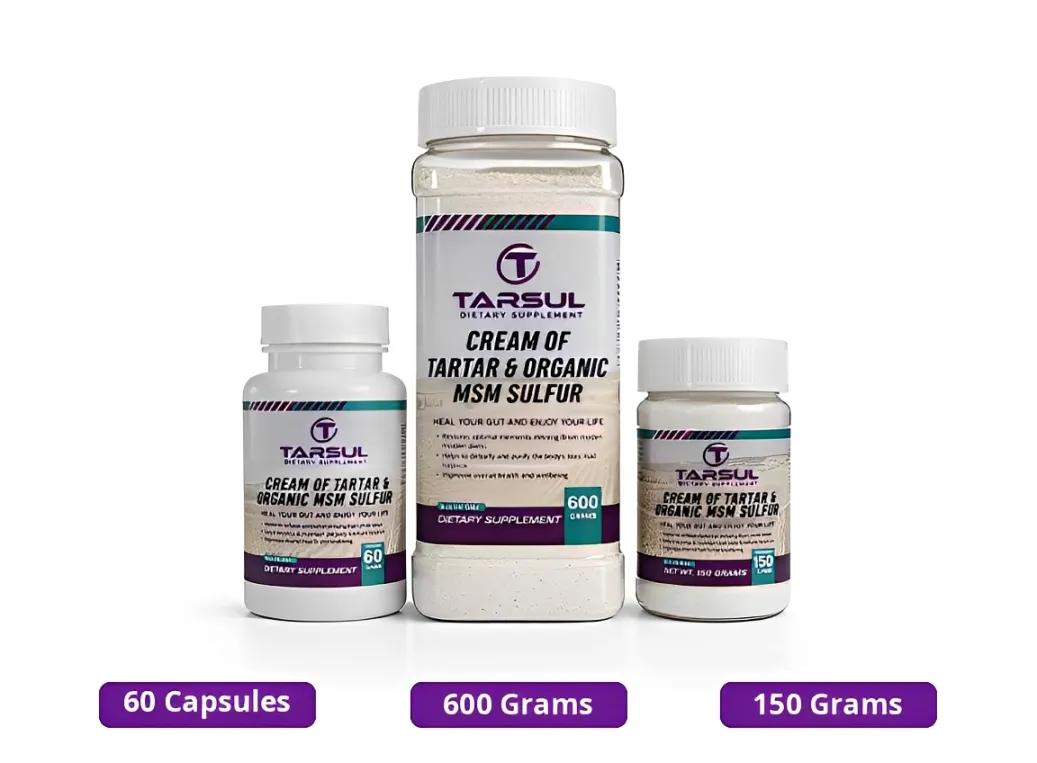
Ginger, DGL licorice, and potassium/sulfur blends are options. But test one at a time. We tell users to track symptoms for 14 days before judging results.
Are supplements for heartburn better than PPIs?
They do different jobs. PPIs block acid. Supplements support function. For mild cases, supplements may be enough. For daily GERD, talk to your doctor first.
Can a heartburn relief supplement help if I have trigger foods?
Yes, it can help “bridge the gap” by supporting motility when you eat triggers. Still, limiting coffee, alcohol, and late-night meals gives the best outcome.
Medical disclaimer: This article is for educational purposes only and is not a substitute for diagnosis, treatment, or medical advice from a licensed healthcare professional.
More on this topic: see the Heartburn and Digestive Comfort Information hub for the full set of related articles.
Related reading on this topic
- Natural Alternative to Omeprazole / Prilosec for Heartburn
- Best Natural Heartburn Supplement Reviews
- Natural Supplement for Heartburn During Pregnancy
- Supplement to Heal Esophagus and Reduce Heartburn Naturally
- What is actually in Tarsul, and how it is taken
About this page — last reviewed September 2026
Published by Tarsul, a family-run dietary supplement company operating from San Diego, California since 2010. Written and reviewed in-house by Russ Guillemot, founder, drawing on fifteen years of direct correspondence with customers and wholesale accounts. We are not physicians and nothing here is a diagnosis or a course of treatment.
Where we reference published research we name the authors and the journal so you can look it up yourself. Where something is a common observation rather than a finding, we say so plainly. If a claim cannot be sourced, we leave it out.
Tarsul · 2307 Fenton Parkway #107-42, San Diego, CA 92108 · 619-500-4403 · info@tarsul.com
These statements have not been evaluated by the Food and Drug Administration. This product is not intended to diagnose, treat, cure, or prevent any disease.