
The best supplements for hemorrhoids work by strengthening vein walls and reducing internal inflammation, not just masking surface pain. Ingredients like MSM sulfur and potassium bitartrate target the root vascular and digestive causes that topical creams simply can’t reach.
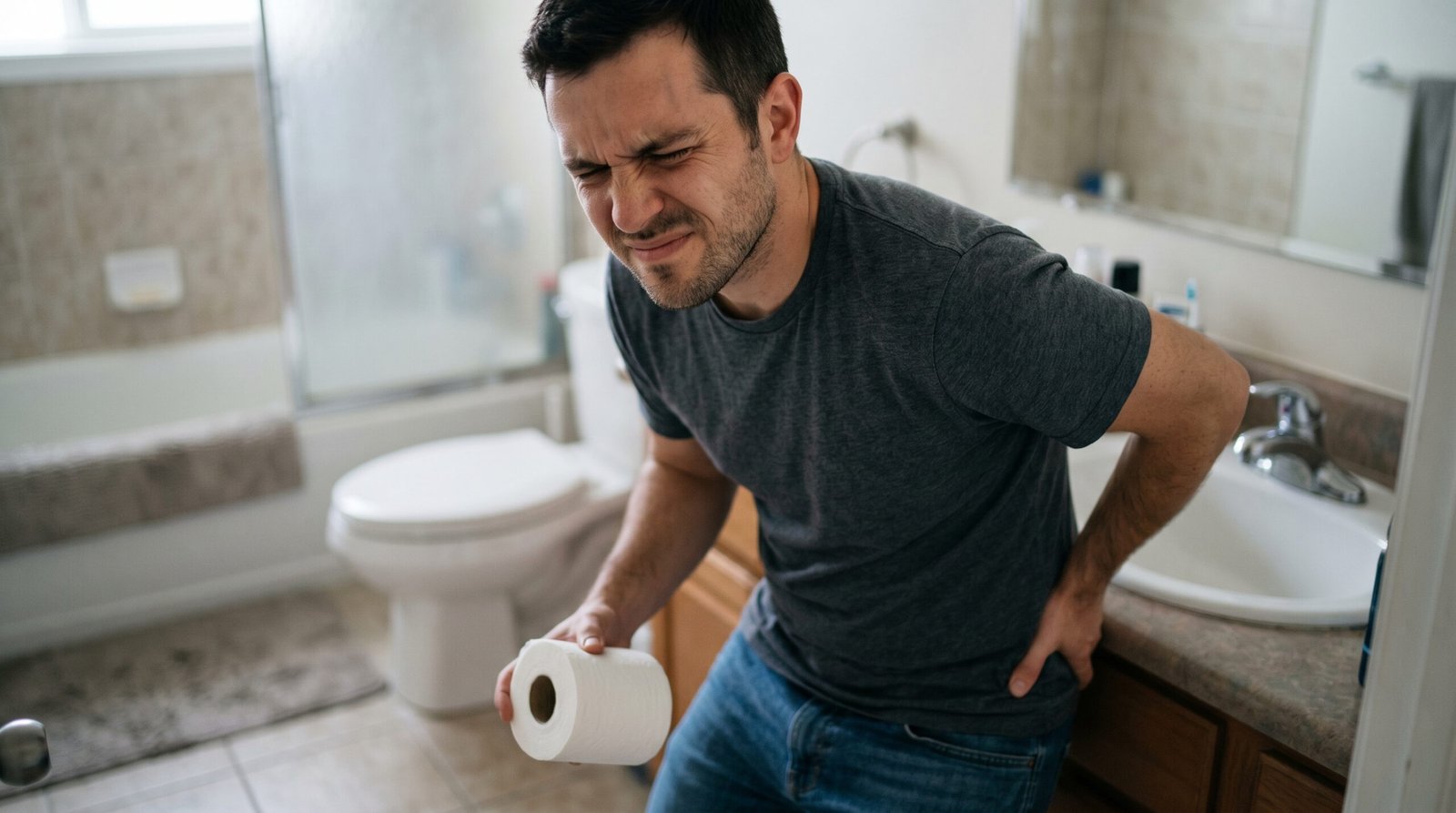
Hemorrhoids affect three in four adults, yet most relief options only address the surface. If you’ve been stuck in a cycle of temporary fixes and recurring flare-ups, this guide breaks down what actually works and why.
Why Most Hemorrhoid Treatments Only Fix Half the Problem
Topical creams relieve surface discomfort but can’t reinforce weakened vein walls or regulate stool consistency, the two factors that drive most repeat flare-ups.
The “External Limit” That Most Miss
Here’s something rarely said plainly: prolonged use of OTC numbing creams can actually sensitize the perianal skin over time. The tissue becomes more reactive, which is the opposite of healing.
Creams numb the surface. They don’t address the pressure upstream, the strained bowel movement, the weakened vein wall, or the chronic inflammation deeper in the rectal tissue. For anyone dealing with symptoms of internal hemorrhoids, dull pressure, incomplete evacuation, or occasional bleeding, a topical has almost no reach.
Why an Internal Approach Works Differently
Internal supplementation targets the hemorrhoidal vein wall and bowel transit at the same time. This matters because the two problems are connected; a harder stool means more straining, more pressure, and more inflammation. Fix one, and you ease the other.
This is the logic behind natural supplements for hemorrhoids that combine a mineral component (for vein support) with a digestive one (for bowel regularity). It’s also why natural remedies for female hemorrhoids and male hemorrhoids increasingly focus on this dual vascular-digestive angle rather than just fiber alone.
The Two Ingredients That Actually Target Hemorrhoidal Veins
MSM sulfur supports connective tissue repair in vein walls. Potassium bitartrate gently regulates bowel pH. Together, they address both the structural and digestive triggers of hemorrhoids.
Sulfur’s Role in Vascular and Tissue Repair
Sulfur, specifically methylsulfonylmethane (MSM), is a structural building block of collagen and connective tissue. This is directly relevant to hemorrhoids. The walls of hemorrhoidal veins are thin and prone to dilation under pressure. Supplemental sulfur helps stabilize those walls, making them less likely to swell and prolapse.
We should be straight about the evidence here. Sulfur’s structural role in collagen is well established, but we are not aware of a clinical trial testing MSM specifically on hemorrhoidal veins. What follows is a mechanism worth understanding, not a proven outcome.
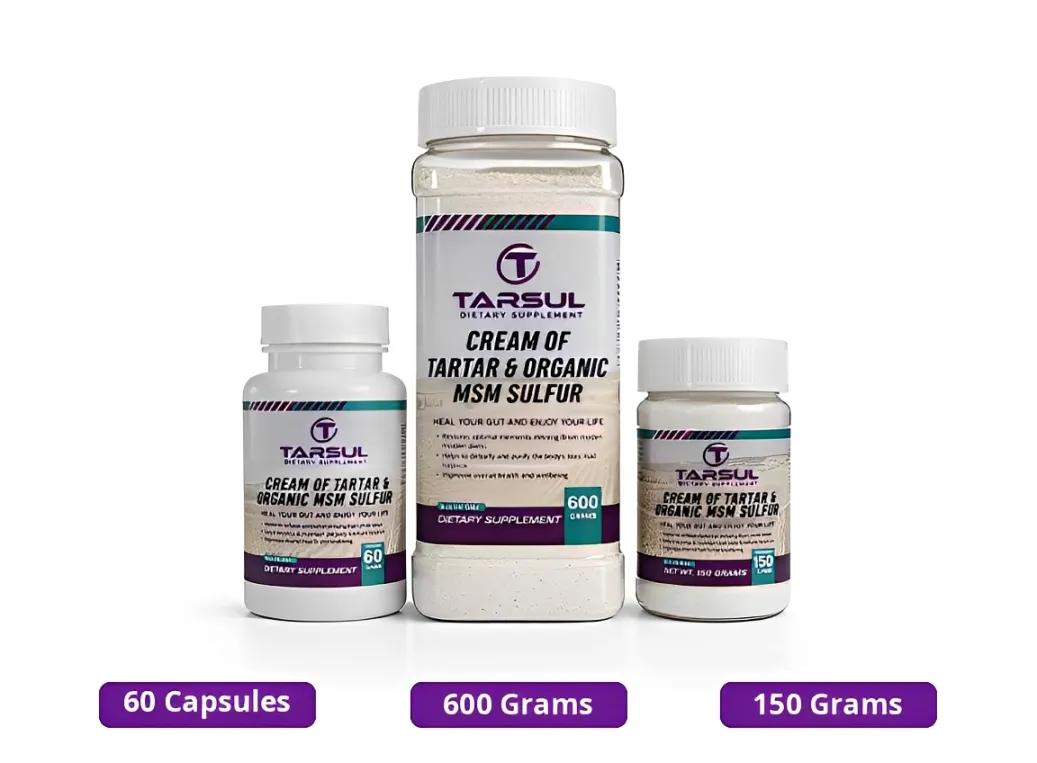
Tarsul’s formula uses a specific ratio of MSM sulfur to cream of tartar rather than a generic blend, which is worth knowing when you compare labels.
What Cream of Tartar (Potassium Bitartrate) Actually Does
Potassium bitartrate, the cream of tartar in Tarsul, acts as a mild alkalizing agent in the gut. It gently regulates bowel pH and transit time.
This is where it differs from fiber supplements for hemorrhoids. Fiber bulks the stool, which is useful but passive. Potassium bitartrate works on the chemistry of the digestive environment, supporting transit without forcing it. There’s no urgency, no cramping, none of the “laxative crash” associated with stimulant herbs like senna or cascara.
For people who’ve avoided supplements because they fear urgency, this distinction matters. The goal here is predictable, gentle movement, not a race to the bathroom.
Comparing Your Options: Which Approach Actually Lasts?
Of the three main approaches, only an internal mineral supplement addresses both vascular health and stool consistency at the same time.
| Method | Primary Goal | Onset | Sustainability | Mess Factor | Key Benefit |
|---|---|---|---|---|---|
| Topical Creams (OTC) | Temporary numbing / itch relief | Immediate (short-lived) | Low risk of skin sensitization | High | Localized surface relief |
| High-Fiber Diet Alone | Prevent constipation | Slow (weeks of adjustment) | High, but hard to maintain consistently | None | Digestive health |
| Tarsul Internal Supplement | Reduce vein swelling & pain | Often within 24–48 hours | High; daily systemic support | None | Strengthens vascular integrity |
If you’re looking for a cure for painful hemorrhoids or wondering how to cure hemorrhoids without surgery, the table above makes the case clearly: topical methods treat the moment; dietary and internal approaches treat the pattern. A cure for internal hemorrhoids, particularly grades I and II, is most achievable when the vascular root cause is addressed from within.
For hemorrhoids treatment at home, the internal supplement + hydration + fiber combination gives you the most complete coverage.
The Bioflavonoid Connection: What Does the Research Add?
Diosmin and hesperidin, citrus-derived bioflavonoids often studied alongside sulfur treatments, improve lymphatic drainage and reduce capillary permeability; the mechanism that drives hemorrhoidal swelling and that “leaky” feeling of chronic pressure.
How Bioflavonoids and Sulfur Work in the Same Direction
A randomized controlled trial by Misra and Parshad (2000), published in Diseases of the Colon & Rectum, found that a diosmin/hesperidin combination significantly reduced bleeding, pain, and recurrence in Grade I–III hemorrhoids. The mechanism: reduced capillary permeability and improved lymphatic drainage.
MSM sulfur works through a parallel pathway: connective tissue stabilization. One ingredient stops the vein from leaking; the other keeps the wall from weakening. They’re complementary, not competing.
For a broader look at how these ingredients support the body beyond hemorrhoid relief, see 16 Ways Tarsul Helps in Whole Body Fitness.
What a Clean-Label Supplement Actually Means for Hemorrhoid Sufferers
For anyone with an inflamed or sensitive gut, filler-heavy capsules can irritate an already compromised intestinal lining working against the very healing you’re trying to support.
What to look for on a hemorrhoid supplement label:
- Only 2–3 active ingredients; no magnesium stearate, synthetic dyes, or binding agents
- Vegetarian capsule or powder form (gelatin-based capsules can be a digestive trigger for some)
- USA manufacturing with traceable ingredient sourcing
- Clear, condition-specific dosage guidance, not a blanket “take 2 daily”
Tarsul fits this checklist: two ingredients, vegetarian HPMC capsules, made in the USA, with dosage guidance broken down by condition and body weight and a level of transparency that’s rarer than it should be.
When to See a Doctor? A Note on Responsible Use
Heavy rectal bleeding, severe pain, or a prolapsed hemorrhoid that won’t reduce manually needs a professional evaluation before any supplement is started.
Grade I and II hemorrhoids, those that reduce on their own, are generally manageable with lifestyle and supplementation. Grade III and IV involve persistent prolapse and require a clinical conversation.
It’s also worth ruling out other causes. Symptoms of internal hemorrhoids like bleeding, pressure, and mucus discharge can overlap with conditions like anal fissures, polyps, or, in rare cases, colorectal issues that need direct diagnosis. A supplement isn’t a substitute for that clarity.
FAQs
What deficiency causes hemorrhoids?
Potassium and sulfur deficiencies are strongly linked to hemorrhoid development. Potassium regulates fluid balance and vascular pressure; sulfur maintains connective tissue in vein walls. Modern processed diets tend to be low in both.
What can help shrink hemorrhoids naturally?
MSM sulfur, potassium bitartrate, and citrus bioflavonoids (diosmin and hesperidin) are among the most evidence-backed options for naturally reducing hemorrhoidal swelling. Each works through a different but complementary mechanism: tissue stabilization, fluid regulation, and capillary permeability reduction, respectively.
How to permanently get rid of hemorrhoids without surgery?
Permanent relief without surgery requires addressing root causes: vascular weakness, chronic constipation, and poor bowel transit. Internal mineral supplementation, dietary fiber, and hydration together give the most complete approach.
What foods should I avoid with hemorrhoids?
Spicy foods, alcohol, refined carbohydrates, and low-fiber processed foods all increase rectal pressure and irritate hemorrhoidal tissue. They also tend to dehydrate the colon, making stools harder and straining worse. Reducing these while increasing water intake makes a noticeable difference during flare-ups.
Can hemorrhoids last for years?
Yes, untreated or undertreated hemorrhoids can become chronic, especially when the underlying causes are never resolved. Recurring flare-ups are a sign that the vascular and digestive environment hasn’t changed. Addressing both the structural weakness (with sulfur) and the pressure trigger (with stool regulation) is what breaks that cycle.
Disclaimer: This product is not intended to diagnose, treat, cure, or prevent any disease. Always consult a healthcare provider before starting any new supplement regimen.
More on this topic: see the Hemorrhoids and Rectal Symptom Information hub for the full set of related articles.
Related reading on this topic
- Best Natural Hemorrhoid Supplement Reviews
- Natural Supplement for Chronic & Recurring Hemorrhoids
- Sulfur and Potassium Supplement for Hemorrhoids
- Natural Supplement for Internal Hemorrhoids
- What is actually in Tarsul, and how it is taken
About this page — last reviewed September 2026
Published by Tarsul, a family-run dietary supplement company operating from San Diego, California since 2010. Written and reviewed in-house by Russ Guillemot, founder, drawing on fifteen years of direct correspondence with customers and wholesale accounts. We are not physicians and nothing here is a diagnosis or a course of treatment.
Where we reference published research we name the authors and the journal so you can look it up yourself. Where something is a common observation rather than a finding, we say so plainly. If a claim cannot be sourced, we leave it out.
Tarsul · 2307 Fenton Parkway #107-42, San Diego, CA 92108 · 619-500-4403 · info@tarsul.com
These statements have not been evaluated by the Food and Drug Administration. This product is not intended to diagnose, treat, cure, or prevent any disease.