
Digestion • IBS • Everyday comfort
What Helps IBS: Diet, Fiber, Peppermint, and Calmer Days
Irritable bowel syndrome can make every meal feel like a gamble. The good news is that several simple steps have solid research behind them. Here is where to start.
See Tarsul Capsules and Powder →
Key points
- IBS causes belly pain with diarrhea, constipation, or both, without visible damage to the digestive tract.
- Soluble fiber, such as psyllium, has the strongest recommendation from gastroenterologists.
- Enteric-coated peppermint oil can ease pain and overall symptoms.
- A short trial of a low FODMAP diet helps many people find their trigger foods.
- Stress care, sleep, and activity matter, and gut-focused therapy works for many people.
This page is general information, written by our founder. It is not medical advice.
What IBS Is
Irritable bowel syndrome is a group of symptoms that occur together: repeated pain in your abdomen and changes in your bowel movements, which may be diarrhea, constipation, or both. Other symptoms include bloating, whitish mucus in the stool, and the feeling that you have not finished a bowel movement. With IBS, these symptoms happen without visible signs of damage or disease in the digestive tract (NIDDK).
There are three main types: IBS with constipation, IBS with diarrhea, and mixed IBS. The type matters, because the best treatment can differ. You may need to try a few things to find what works for you (NIDDK).
Food Changes That Help
Try a Low FODMAP Diet
FODMAPs are carbohydrates that are hard to digest. In the gut they draw in water and ferment, causing gas, bloating, and pain. Common high-FODMAP foods include onions, garlic, beans, wheat, apples, milk, and sugar-free sweets made with sugar alcohols. The American College of Gastroenterology recommends a limited trial of a low FODMAP diet to improve overall IBS symptoms (ACG guideline, 2021). The diet has three stages: swap out high-FODMAP foods for a few weeks, add them back one at a time, then build a personal plan. It is not meant to be followed strictly forever, because a long-term restrictive diet can leave gaps in nutrition. A dietitian can guide you.
Keep a Food Diary
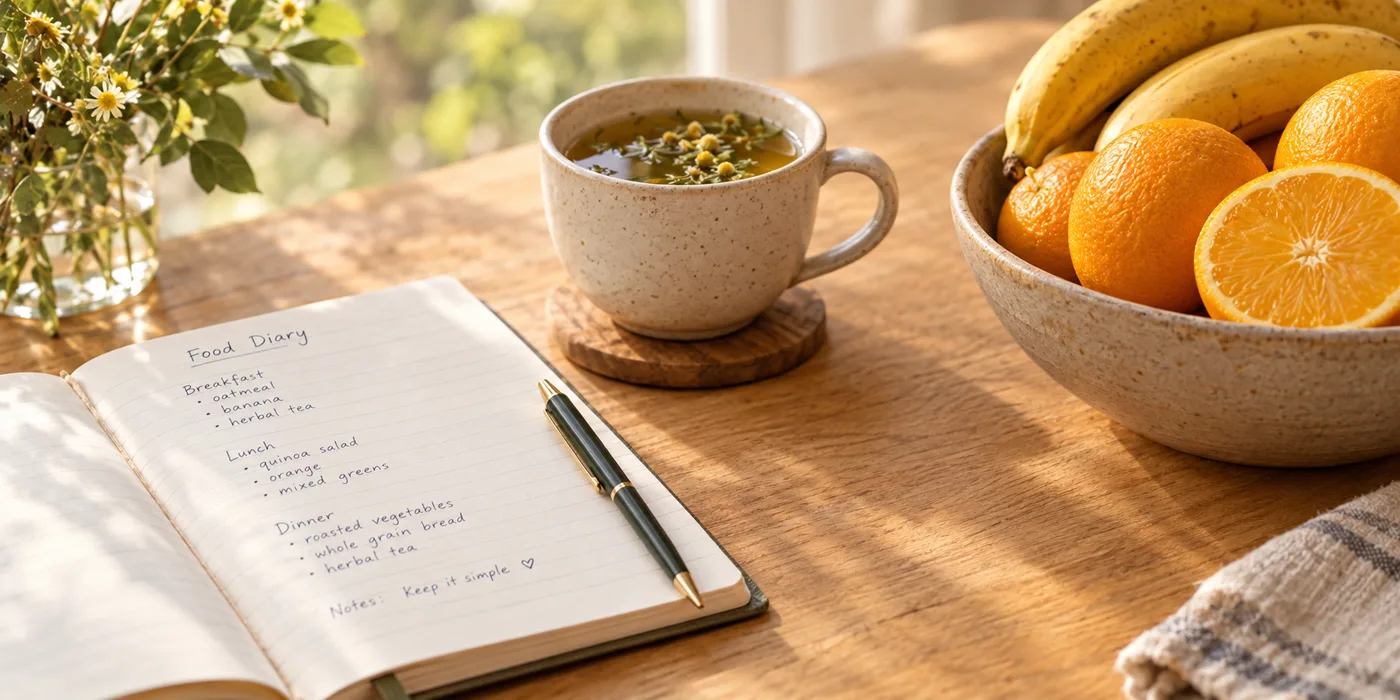
Write down what you eat, when symptoms start, and your stress level. After two or three weeks, patterns often appear. Fatty or fried meals, large meals, alcohol, and caffeine are common triggers for many people.
Gluten: Worth a Test for Some People
Some people with IBS have more symptoms after eating gluten, even without celiac disease. Your doctor may suggest avoiding gluten for a while to see whether your symptoms improve (NIDDK). Get tested for celiac disease before you cut out gluten, because going gluten-free first can make the test less accurate.
Supplements with Real Evidence
Soluble Fiber
The American College of Gastroenterology gives soluble fiber a strong recommendation for overall IBS symptoms, based on moderate-quality evidence. Soluble fiber is found in psyllium, oat bran, barley, and beans. Insoluble fiber, such as wheat bran, is not recommended, because it can worsen bloating (ACG guideline, 2021). Start slowly. NIDDK suggests adding fiber by about 2 to 3 grams a day to avoid gas and bloating (NIDDK).
Peppermint Oil
Peppermint oil relaxes the muscles of the intestines. A 2019 analysis of seven trials found that enteric-coated peppermint oil improved overall IBS symptoms and belly pain compared with placebo (IBS research review). The ACG guideline suggests it for relief of overall symptoms (ACG guideline, 2021). Choose enteric-coated capsules, which open in the intestine rather than the stomach. Peppermint can worsen heartburn in some people.
Probiotics: Mixed Evidence
Probiotics are popular, but results vary a lot by strain and study. The ACG guideline suggests against probiotics for overall IBS symptoms because of very low-quality evidence (ACG guideline, 2021). British guidelines take a softer view and suggest a 12-week trial, stopping if there is no improvement (IBS research review). If you try one, give it a fair test and stop if it does not help. Talk with your doctor before using probiotics or other complementary products (NIDDK).
Stress, Sleep, and Movement
The gut and brain are closely linked, which is why stress often makes IBS symptoms worse. Research suggests that more physical activity, less stress where possible, and enough sleep can help IBS symptoms (NIDDK).
Gut-Focused Therapy
Mental health therapies used for IBS include cognitive behavioral therapy, which helps change thought and behavior patterns that feed symptoms, gut-directed hypnotherapy, and relaxation training (NIDDK). These are real, studied treatments, not a sign that the problem is “all in your head.” Many are now offered through apps or telehealth.
Simple Daily Habits
- Eat regular, smaller meals, and do not skip meals.
- Eat slowly, and chew well.
- Drink water through the day, especially if you add fiber.
- Walk, swim, or do yoga most days.
- Set a regular bedtime.
Medicines for IBS
When diet and lifestyle changes are not enough, a doctor may recommend medicine based on your type of IBS (NIDDK):
- IBS with diarrhea: loperamide, rifaximin, eluxadoline, or, for some women, alosetron.
- IBS with constipation: fiber supplements, laxatives, lubiprostone, linaclotide, or plecanatide.
- Belly pain: antispasmodics, coated peppermint oil capsules, or low doses of certain antidepressants, which calm the nerves of the gut.
If constipation is your main symptom, our constipation guide covers more options.
A Note from Russ, Our Founder
In 2008 I was looking for answers to a health problem of my own, and I found an old pairing of sulfur and cream of tartar. I started Tarsul in 2010 so other people could use that simple two-ingredient mix without guessing at amounts.
People sometimes ask whether Tarsul can help with IBS. I do not make that claim. IBS is frustrating, and it can take some trial and error to find what helps you. Start with the steps that have the best evidence, and be patient with yourself while you figure it out.
When to See a Doctor
Talk with a health care professional if your bowel habits change or belly pain keeps coming back. Certain symptoms may point to a condition other than IBS and need prompt attention (NIDDK) (ACG guideline, 2021):
- Bleeding from the rectum, or bloody or black, tarry stools
- Weight loss you cannot explain
- Anemia
- Symptoms that start later in life
- A family history of colon cancer, inflammatory bowel disease, or other serious digestive disease
About Tarsul’s ingredients. Because cream of tartar is high in potassium, please talk with your doctor before using Tarsul if you have kidney problems or take medicines that raise potassium, such as some blood pressure pills or potassium-sparing water pills (NIH Office of Dietary Supplements). Swallowing large amounts of cream of tartar has caused dangerously high potassium levels (Medical Journal of Australia, 2025). Details are on our cream of tartar page.
Frequently Asked Questions
How can I calm an IBS flare-up fast?
Heat on the belly, a short walk, slow breathing, and plain, easy-to-digest food can ease a flare. Enteric-coated peppermint oil has helped belly pain in trials. For diarrhea, loperamide can help in the short term. Talk with a health care professional if flares are frequent.
What is the best supplement for IBS?
Soluble fiber, such as psyllium, has the strongest recommendation from the American College of Gastroenterology. Peppermint oil capsules are also suggested. The guideline does not recommend probiotics for overall IBS symptoms because the evidence is mixed.
What foods trigger IBS?
Triggers vary, but common ones include high-FODMAP foods such as onions, garlic, beans, wheat, some fruits, milk, and sugar alcohols, plus fatty meals, alcohol, and caffeine. A food diary helps you find your own.
Does the low FODMAP diet work for IBS?
Many people improve on it. The American College of Gastroenterology recommends a limited trial, ideally with a dietitian, followed by adding foods back to find your personal triggers. It is not meant to be a strict diet forever.
Can stress cause IBS symptoms?
Stress does not cause IBS on its own, but it can make symptoms worse. Cognitive behavioral therapy, gut-directed hypnotherapy, and relaxation training are used to treat IBS and can reduce symptoms.
Can Tarsul help IBS?
We do not claim Tarsul treats IBS. Soluble fiber, peppermint oil, diet changes, and the other steps on this page have much better evidence.
Tarsul and Your Daily Routine
Tarsul is two ingredients, cream of tartar and MSM, with no proprietary blend, made in San Diego since 2010. Read about cream of tartar and MSM, see dosage and ingredients, or see Tarsul capsules and powder.
Have a Question? Ask Us
Search our guides, or send us a note. A real person at Tarsul reads every message.
Sources
NIDDK. Treatment for irritable bowel syndrome and Irritable bowel syndrome: all content.
Lacy BE, et al. ACG clinical guideline: management of irritable bowel syndrome. Am J Gastroenterol. 2021;116(1):17-44.
A narrative review of irritable bowel syndrome with diarrhea. PMC9402521.
NIH Office of Dietary Supplements. Potassium fact sheet for health professionals.
Hyperkalaemic cardiac arrest due to cream of tartar ingestion. Med J Aust. 2025;222(11).
About this page — last reviewed October 2026
Written by Russ Guillemot, founder of Tarsul. Tarsul is a family-run dietary supplement company in San Diego, California, selling since 2010. We are not physicians, and nothing on this page is a diagnosis or a treatment plan. Where we cite research, we link to it so you can read it yourself.
Tarsul · 2307 Fenton Parkway #107-42, San Diego, CA 92108 · 619-500-4403 · info@tarsul.com
These statements have not been evaluated by the Food and Drug Administration. This product is not intended to diagnose, treat, cure, or prevent any disease.