
Yes. Supplementation for hypertension may help support healthy blood pressure by addressing mineral imbalances, vascular health, and fluid regulation. However, it works best alongside medical guidance, lifestyle changes, and regular monitoring.

In our experience, most talks focus only on salt. That’s incomplete. Potassium, sulfur, cellular hydration, and artery flexibility often get missed. This gap may explain why numbers stay high despite good habits. We see this pattern in our direct work with users testing simple mineral support.
What Causes Hypertension Beyond Excess Salt?
Hypertension rarely has one cause. It’s usually a mix of genetics, age, stress, inactivity, and mineral status. It is often called the “silent killer” because damage builds without clear warning signs.
Why Blood Pressure Is More Than a Numbers Problem
High pressure strains the heart, kidneys, and brain over years. Common risk factors include:
- Family history
- Excess weight
- Low-activity
- High-stress
- Poor sleep
Women sometimes notice different clues. High blood pressure symptoms in women can include fatigue, mild headaches, or chest tightness, not just a high reading. That’s why we track how people feel, not only the monitor.
The Cellular Imbalance Many People Overlook
Your cells run on a sodium-potassium pump. It moves sodium out and pulls potassium in. This controls fluid balance and electrical signals. When potassium is low, sodium stays in. Water follows sodium. That raises pressure inside vessels. Focusing only on cutting salt misses this pump. Therefore, we ask: if mineral imbalance contributes to elevated pressure, can targeted nutrition offer meaningful support?
Can Potassium Support Healthy Blood Pressure Regulation?
Yes, potassium plays a direct role. It helps your kidneys excrete more sodium. It also relaxes vessel walls. We have observed steadier readings when potassium intake improves.
Understanding the Sodium-Potassium Pump
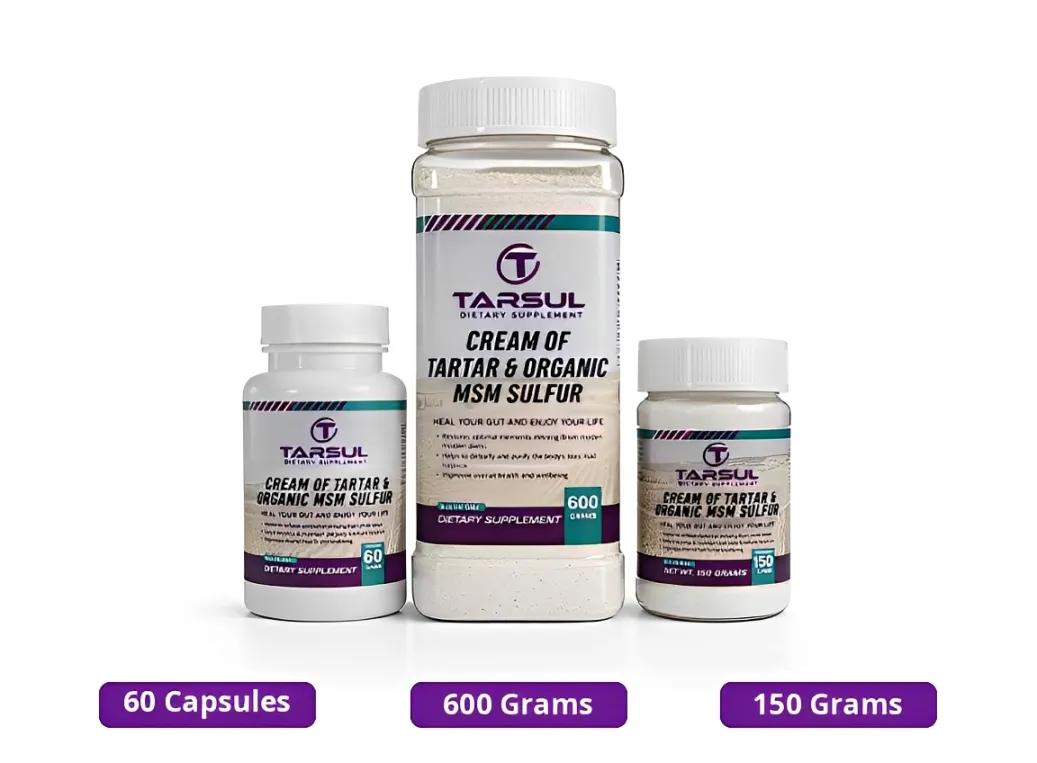
Think of the pump as a tiny battery. It needs potassium to work. Without it, cells hold sodium and water. That increases blood volume. One reason we formulated Tarsul with potassium bitartrate (Cream of Tartar) is its role as a bioavailable source of potassium that supports this natural process.
Why Many Hypertension Supplements Focus on Potassium
Many formulas start with potassium for a reason. Research on the DASH diet shows higher-potassium foods link to lower pressure. This is not magic. It is basic fluid balance. That’s why hypertension supplements often include potassium first, then add other helpers. We chose a simple two-ingredient approach to keep the focus on this core mineral action.
From here, vascular tissue health becomes the next piece.
How Does Sulfur Influence Arterial Flexibility?
Arteries must stretch with each heartbeat. When they stiffen, pressure rises. Sulfur is rarely discussed, yet it matters for connective tissue.
The Connection Between Sulfur and Vascular Elasticity
The middle layer of arteries, the tunica media, contains elastin and collagen. Your body needs sulfur to build and maintain these proteins. With age, sulfur stores can drop. Less sulfur can mean less bounce in vessel walls.
Why Stiff Arteries Can Increase Blood Pressure
Stiff arteries create more resistance. The heart must push harder. That raises systolic numbers first. Alongside potassium support, the sulfur component of Tarsul was designed to help provide foundational nutritional support for healthy connective tissue and vascular function.
When people ask about the best supplements for hypertension, we point them to this overlooked link between minerals and tissue flexibility, not just to “lowering numbers fast.” We also cover broader wellness ideas in our article 16 Ways Tarsul Helps in Whole Body Fitness because heart health connects to gut, joints, and energy.
Why pH Balance and Inflammation May Matter for Heart Health
Low-grade acidity and inflammation can trigger vessel constriction. This is not about “alkaline diets” as a cure. It is about mineral buffers.
Can an Acidic Internal Environment Affect Blood Pressure?
Metabolic stress can shift pH slightly. Your body responds by tightening vessels. Over time, this adds load on the heart. We have seen users report feeling calmer when mineral intake is consistent, likely due to less fluid swing.
The Alkalizing Potential of Cream of Tartar
Potassium bitartrate supplies potassium, a key buffering mineral. It helps support a more favorable internal environment for enzyme and vessel function. This is different from conditions like pulmonary hypertension causes, which involve lung vessel remodeling and require specialist care. We do not position minerals as a treatment for that complex disease. We simply note that basic mineral status supports overall vascular resilience.
For those researching natural remedies for high blood pressure, mineral balance is a practical starting point, not a replacement for medical care.
What Makes Supplemental Support Different From Conventional Approaches?
Conventional care often aims for quick drops. Supplemental support aims for steady state.
The “Steady-State” Experience We Aim to Support
In our testing with users, one common concern is the rollercoaster effect from aggressive interventions. Rather than forcing rapid fluid shifts, our goal is to support long-term mineral balance and vascular resilience. There is no “crash” feeling. The approach is slow, consistent, and focused on daily habits.
Pharmaceutical vs. Supplemental Support
| Feature | Common Diuretics (Medication) | Standard Potassium Pills | Tarsul (Sulfur + Tartar) |
|---|---|---|---|
| Mechanism | Forces kidneys to expel water | Simple mineral replacement | Supports mineral balance and vascular function |
| Nutrient Loss | May deplete minerals | Minimal | Replenishes foundational building blocks |
| Digestive Impact | Can be harsh for some | May cause GI discomfort | Formulated to support digestive balance |
| Long-Term Goal | Managing readings | Preventing deficiency | Supporting vascular resilience |
We do not claim superiority. This table is for education only. Always follow your clinician’s plan.
How Can You Use Supplements Safely as Part of a Hypertension Plan?
Safety starts with tracking and teamwork.
Why Monitoring Still Matters
Check blood pressure at home. Log readings. Share them with your provider. Do not stop prescribed medications on your own. Supplements work best as an add-on, not a swap.
The Value of Ingredient Transparency
We keep Tarsul with two ingredients: sulfur and tartar. No blends with hidden stimulants. Simplicity makes it easier to track what helps and what does not.
Conclusion
Hypertension involves more than sodium alone. Potassium balance, vascular elasticity, inflammation, and mineral status all matter. Tarsul provides complementary nutritional support for these foundations. Sustainable outcomes come from combining supplementation, lifestyle improvements, and professional medical care.
For individuals exploring how to treat hypertension with natural approaches, understanding the role of foundational minerals may be a valuable place to start with Tarsul.
FAQs
1: What supplements are good for hypertension?
Potassium, magnesium, and sulfur-containing compounds are commonly used for nutritional support. Food-first is best, then consider simple mineral formulas with clinician guidance.
2: What causes hypertension?
Genetics, age, excess weight, high sodium intake, low potassium, stress, inactivity, and stiff arteries all contribute. Mineral imbalances are often overlooked.
3: Can stress cause hypertension?
Stress can raise pressure temporarily. Chronic stress may keep it higher over time by affecting hormones, sleep, and vessel tone.
4: Does dehydration cause hypertension?
Severe dehydration lowers volume at first, but chronic low fluid and electrolyte imbalance can strain kidneys and raise pressure later.
5: How can you treat hypertension with natural remedies?
Focus on a diet rich in potassium foods, regular walks, stress management, good sleep, limited alcohol, and mineral support. Always work with your healthcare provider.
Medical disclaimer: This article is for educational purposes only and is not a substitute for diagnosis, treatment, or medical advice from a licensed healthcare professional.
More on this topic: see the Hypertension and Blood Pressure Wellness Information hub for the full set of related articles.
Related reading on this topic
- Natural Alternative to Blood Pressure Medication
- Natural Support for Hypertension and Anxiety
- Natural Supplement to Lower Blood Pressure Fast
- Gut Health and High Blood Pressure: The Hidden Connection
- What is actually in Tarsul, and how it is taken
About this page — last reviewed September 2026
Published by Tarsul, a family-run dietary supplement company operating from San Diego, California since 2010. Written and reviewed in-house by Russ Guillemot, founder, drawing on fifteen years of direct correspondence with customers and wholesale accounts. We are not physicians and nothing here is a diagnosis or a course of treatment.
Where we reference published research we name the authors and the journal so you can look it up yourself. Where something is a common observation rather than a finding, we say so plainly. If a claim cannot be sourced, we leave it out.
Tarsul · 2307 Fenton Parkway #107-42, San Diego, CA 92108 · 619-500-4403 · info@tarsul.com
These statements have not been evaluated by the Food and Drug Administration. This product is not intended to diagnose, treat, cure, or prevent any disease.