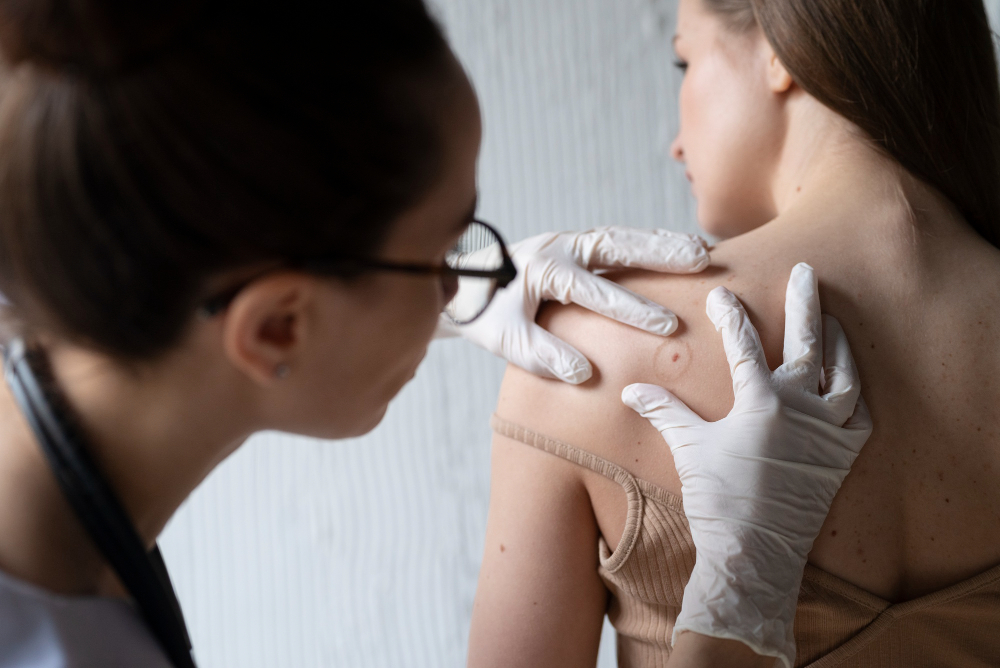
Boils on Skin Treatment: How to Heal Faster and Prevent Infection Naturally

Boils on Skin Treatment

A boil is a painful, pus-filled skin infection that usually begins when bacteria enter a hair follicle or oil gland beneath the skin. As your immune system responds, fluid and white blood cells collect in the area, creating pressure, swelling, and that deep throbbing pain many people notice before the boil even becomes visible.

If you're searching for boils on skin treatment, the safest approach usually isn't forcing the boil open. In many cases, boils heal better when pressure is reduced first, the skin stays calm, and the infection is allowed to rise and drain naturally. Organizations such as the American Academy of Dermatology and the National Health Service recommend supportive care, proper hygiene, and medical evaluation if symptoms worsen.

How to Treat a Boil Safely?

If you're dealing with a boil at home, supportive care is usually the safest first step. Applying a warm compress for 10 to 15 minutes several times a day may help reduce pressure and support the body's natural drainage process. Keeping the area clean with mild soap and water, avoiding squeezing, and covering the skin with clean gauze once drainage begins can also support healing.

Although small boils often improve with home care, worsening redness, severe pain, fever, or spreading irritation should always be taken seriously. Some boils heal within a week, while deeper infections may take longer, depending on immune function, friction, skin sensitivity, and overall inflammation levels.

What Actually Causes a Boil?

Most boils begin when bacteria, often Staphylococcus aureus, become trapped inside a hair follicle. Your body responds quickly. White blood cells move in, fluid begins to build, and pressure starts forming under the skin.

That pressure is what creates the pain.

For many people, the first sign feels like a painful lump under the skin that appears without warning. The area may feel tender, warm, and unusually sensitive before anything becomes visible on the surface. This often causes confusion because the discomfort starts deeper than the skin itself.

Boils can be triggered by skin friction, sweating, shaving irritation, blocked pores, small cuts, blood sugar fluctuations, or an already stressed immune system. And contrary to what many people assume, recurring boils do not automatically mean poor hygiene.

Why Does Heat Help a Boil Heal?

Before anything else, warmth is often the safest first step.

A warm compress helps improve circulation around the area, bringing more immune support to the follicle while softening the outer layer of skin. This doesn’t cure the boil, but it may help reduce discomfort and support the body’s natural drainage process.

Applying a clean warm compress for about 10 to 15 minutes, three to four times a day, is commonly recommended for uncomplicated boils.

As inflammation builds, many people notice a red, swollen bump on the skin that feels tight, hot, and increasingly sensitive to touch. This stage often means pressure is moving closer to the surface, which is why warmth can feel especially soothing.

Many people notice the throbbing begins to ease as pressure starts to release.

Should You Pop a Boil?

In most cases, no.

Trying to squeeze a boil before it is ready can push bacteria deeper into surrounding tissue, increase inflammation, delay healing, and sometimes lead to scarring. Although it may feel tempting, especially when pressure builds, forced drainage often creates more irritation than relief.

As the boil matures, it may eventually develop into a pus-filled bump treatment situation where drainage seems urgent. This is usually the stage where people are most tempted to squeeze.

Most boils heal more safely when they are allowed to soften and drain naturally.

Once drainage begins, gently washing the area with mild soap and water, then covering it with clean gauze, usually helps protect the skin while it heals.

Can Sulfur Support Skin Recovery?

Sulfur has been used in skin care for generations and remains widely recognized for its keratolytic and antimicrobial-supporting properties. In simple terms, sulfur may help loosen dead skin, reduce excess oil, and create a less favorable environment for certain bacteria on the skin’s surface.

Some people also use MSM (methylsulfonylmethane) as part of their broader skin wellness routine. While research specifically on MSM for boils is still limited, MSM is commonly included in skin-support formulations because of its role in connective tissue and mineral transport.

Sulfur continues to appear in modern dermatologic formulations for acne, seborrheic skin concerns, and other surface-level skin support.

At Tarsul, we often talk about sulfur and MSM not as a quick fix, but as part of a bigger picture of skin resilience, inflammation support, and overall mineral balance.

Why Do Some People Keep Getting Boils?

Recurring boils often point to something deeper than a single blocked follicle.

Sometimes repeated flare-ups are linked to constant skin friction, heavy sweating, blood sugar changes, chronic inflammation, or bacterial colonization on the skin. In other cases, nutrition, gut health, sleep quality, and overall immune balance may also play a role.

Some people describe recurring boils as a skin infection lump that appears in the same area over and over again, especially where clothing rubs, sweat collects, or the skin experiences repeated friction.

That’s why long-term boil prevention often starts by looking beyond the surface.

When people begin connecting skin health with internal balance, recurring flare-ups often make more sense.

That’s one reason many readers who first come looking for boil relief eventually start exploring broader wellness topics, including our guide, 13 Ways Tarsul Supports Whole-Body Wellness.

When Should You See a Doctor?

Although many boils improve with home care, some situations require medical attention.

You should speak with a healthcare professional if the boil becomes unusually large, appears on the face or spine, causes fever or chills, continues spreading, becomes increasingly painful, or hasn’t improved after about a week.

People living with diabetes, immune suppression, or chronic skin conditions should be especially cautious.

Frequently Asked Questions About Boils


How do you get rid of a boil overnight?

There is no true overnight cure for a boil. The safest approach is reducing pressure with warmth, keeping the area clean, and allowing natural drainage.

What is the fastest safe way to heal a boil?

Warm compresses, gentle hygiene, and avoiding early squeezing are usually the safest ways to support faster healing.

What causes boils?

Most boils begin when bacteria enter a hair follicle and become trapped beneath the skin, triggering inflammation and pressure.

Do boils always need antibiotics?

Not always. Many small boils improve with supportive home care. Antibiotics may be needed if the infection spreads or systemic symptoms develop.

Do recurring boils mean poor hygiene?

No. Recurring boils can happen even in people with excellent hygiene and may be linked to friction, inflammation, metabolic changes, or immune stress.

Medical disclaimer: This article is for educational purposes only and is not a substitute for diagnosis, treatment, or medical advice from a licensed healthcare professional.


Tarsul Is Made In The USA

Cream of Tartar and Organic MSM Sulfur

Cream of Tartar is an element in all grapes

Sulfur is in every cell of the human body

Dr John Trowbridge

Prescribes Tarsul

Tarsul Is Made With The Exact Same Ingredients As The Original PATENTED Formula!!!

In the 1980's, the ingredients in Tarsul won a US Patent as a remedy for hemorrhoids, but sat unused commercially for many years - until Tarsul. Tarsul is a white powder that you drink after mixing with water or juice. Conveniently packaged in a clear, see-through plastic bottle so you can always see how much remains.Tarsul is made with the finest, purest Cream of Tartar and MSM Sulfur - that's all.The fact that it contains all natural ingredients makes it especially desirable in today's toxic world.

Try a bottle today and begin feeling normal again.

Tarsul Comes in 3 Sizes